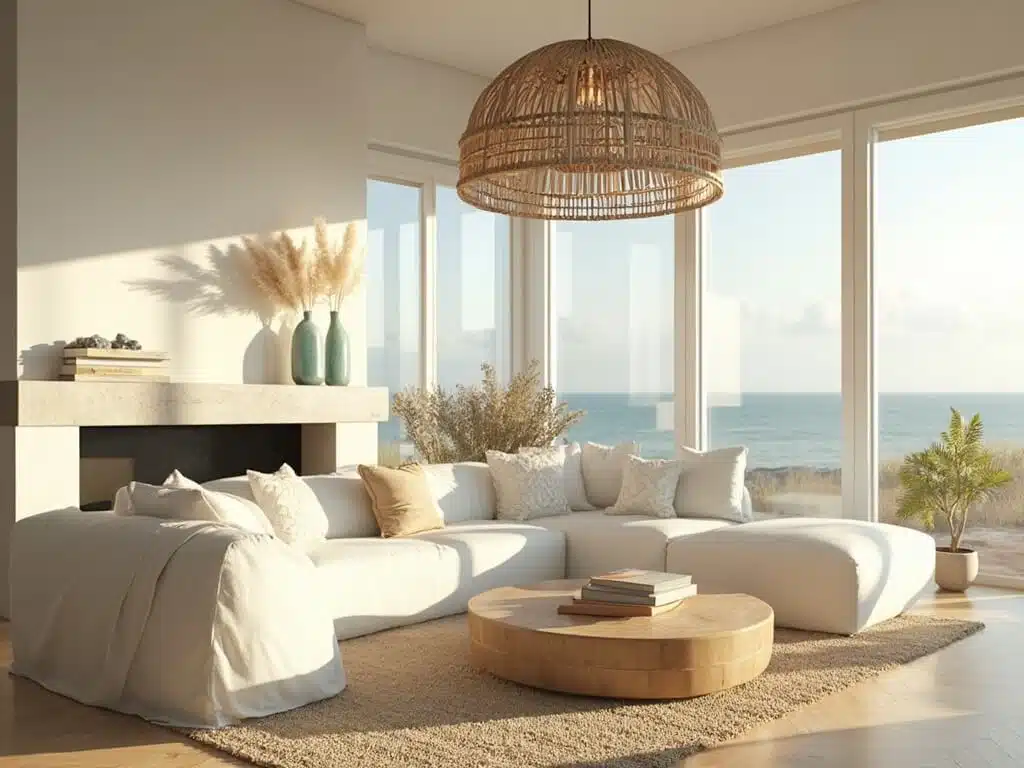
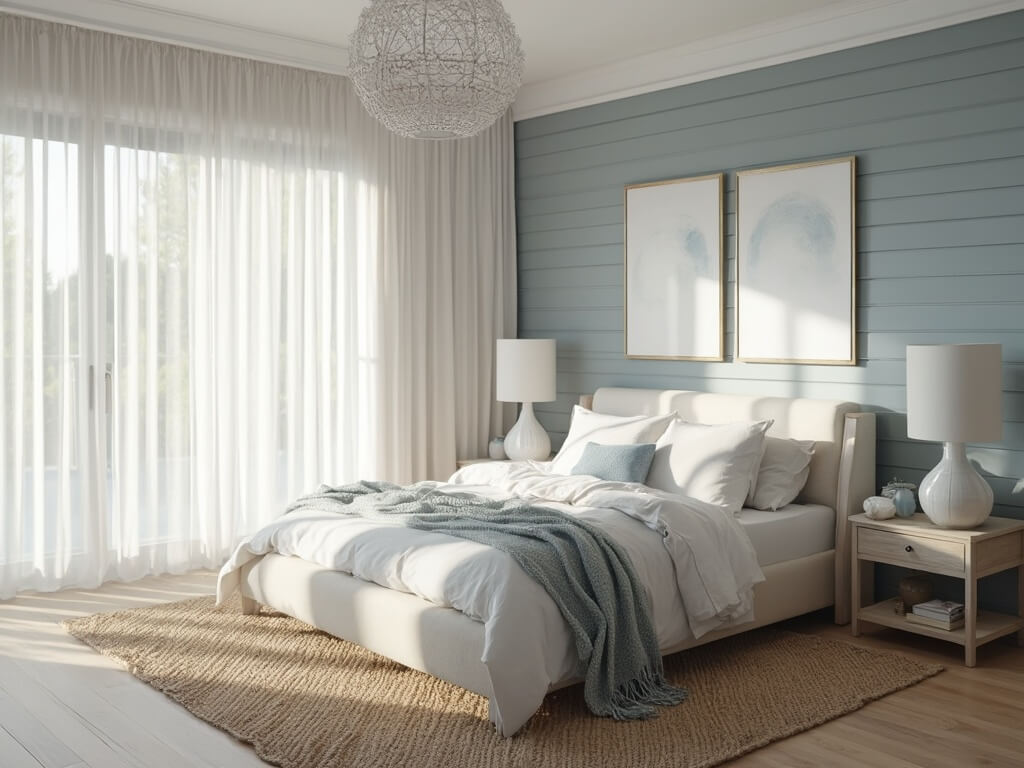
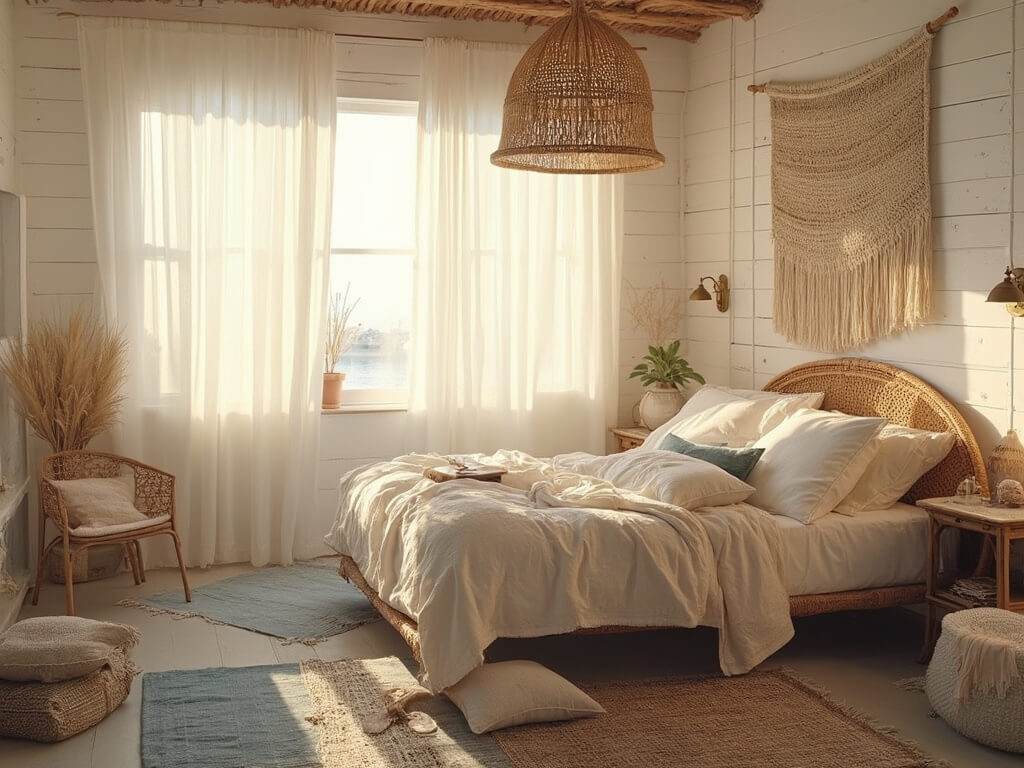
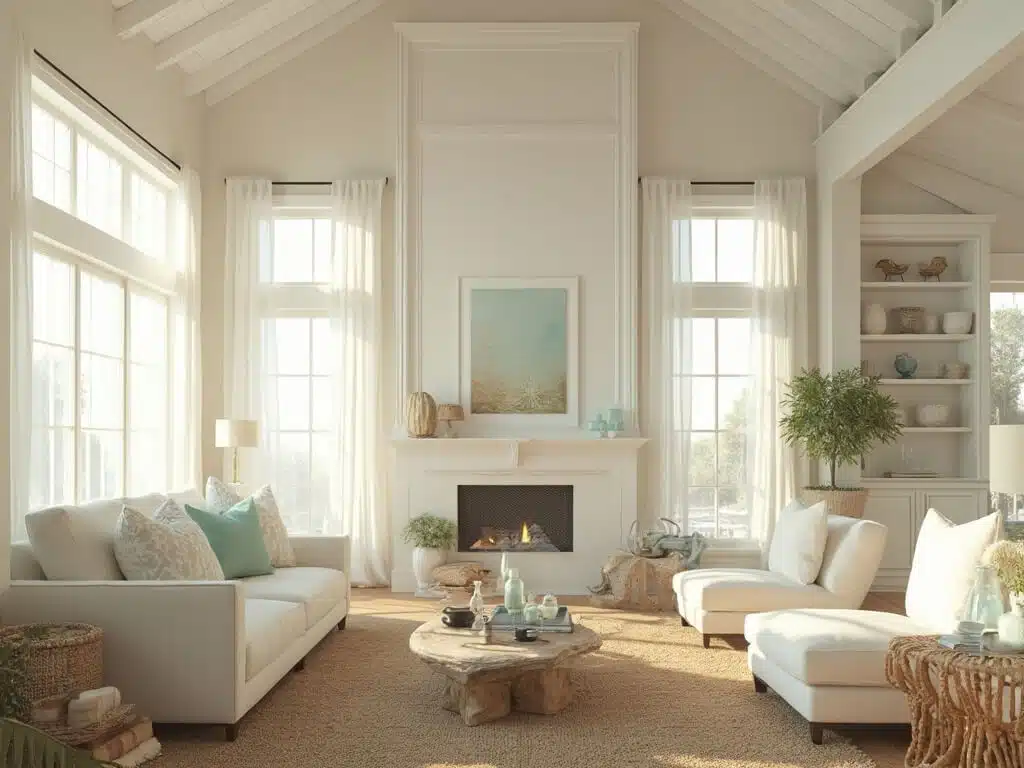
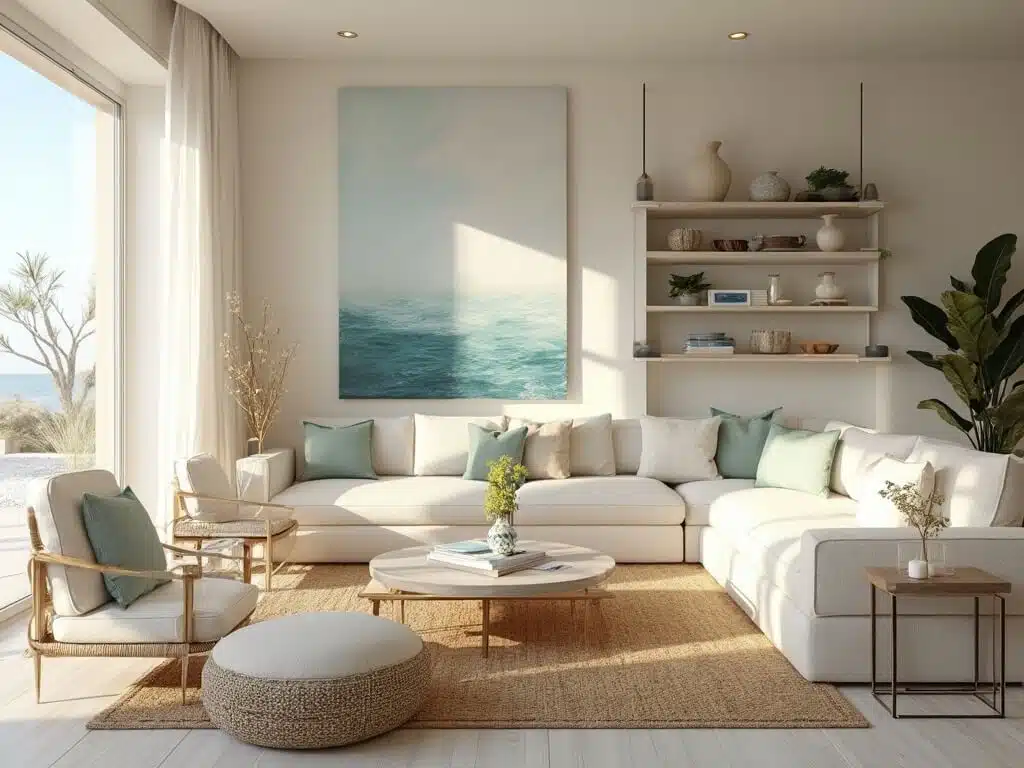
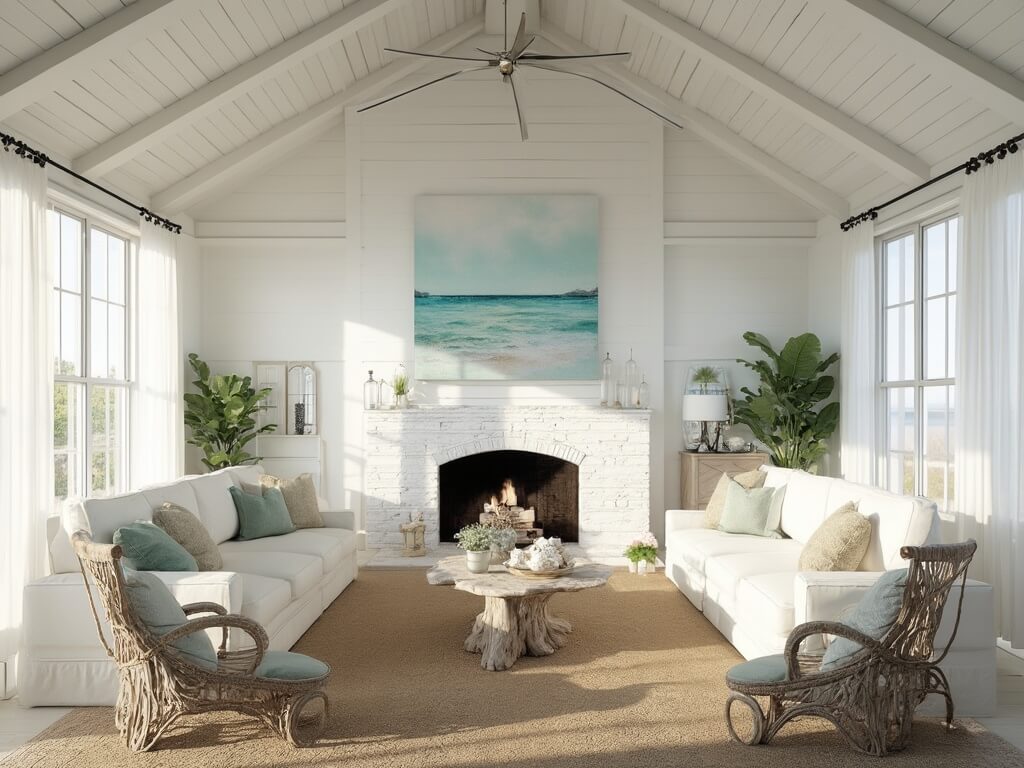
Why Wabi Sabi? Your Escape from Perfect Pinterest Madness
Ever feel like modern home decor is just too… perfect? Like those Instagram rooms that look like no human actually lives there? Wabi sabi is your antidote. It’s a Japanese design philosophy that celebrates imperfection, and trust me, it’s about to change how you think about your living space.
What Exactly is Wabi Sabi?
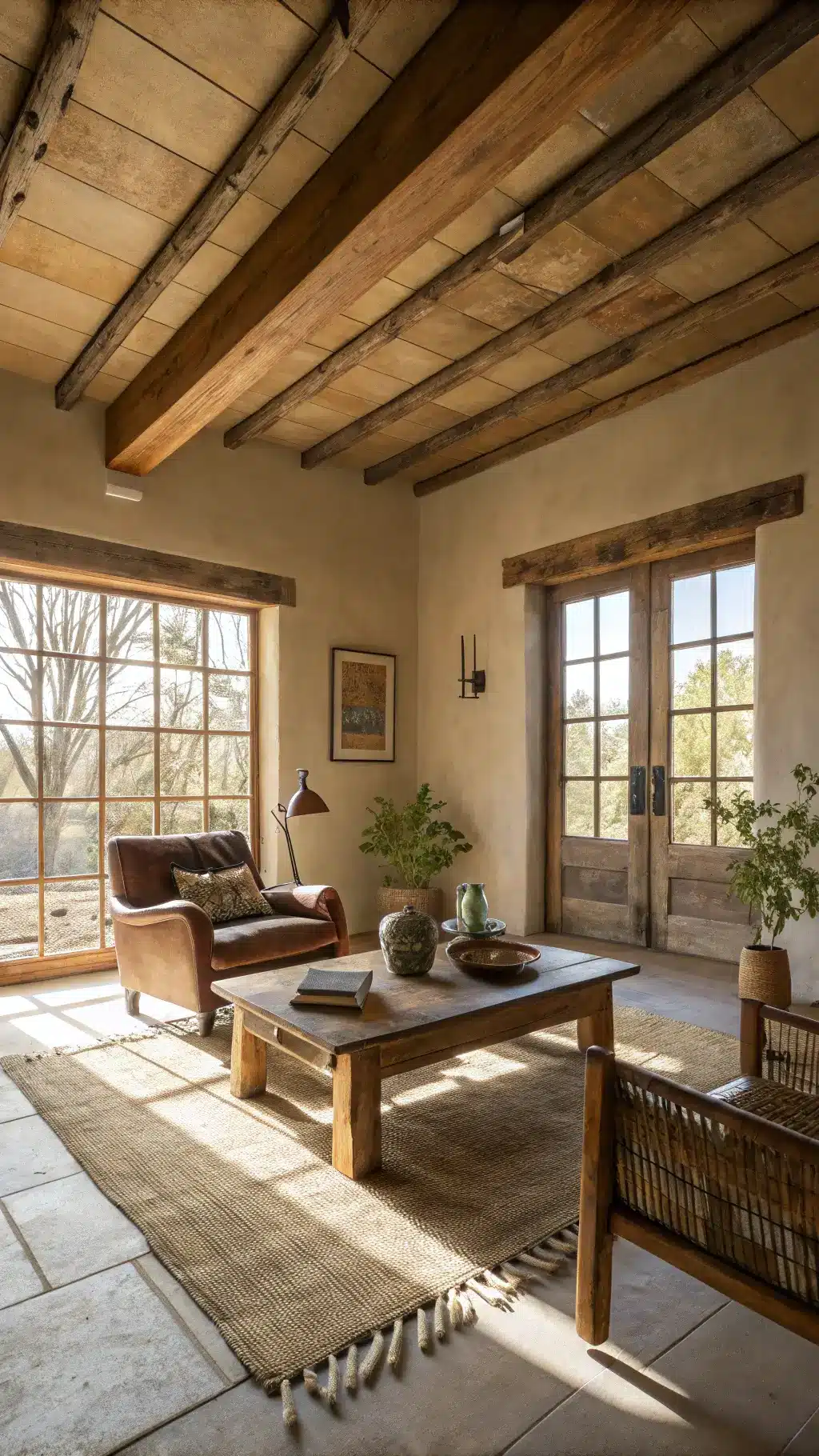
Wabi sabi is basically the cool cousin of minimalism. It’s about:
- Embracing natural wear and tear
- Celebrating handmade, slightly wonky objects
- Creating spaces that tell a story
- Finding beauty in simplicity and age
Your Wabi Sabi Shopping List: What You’ll Actually Need
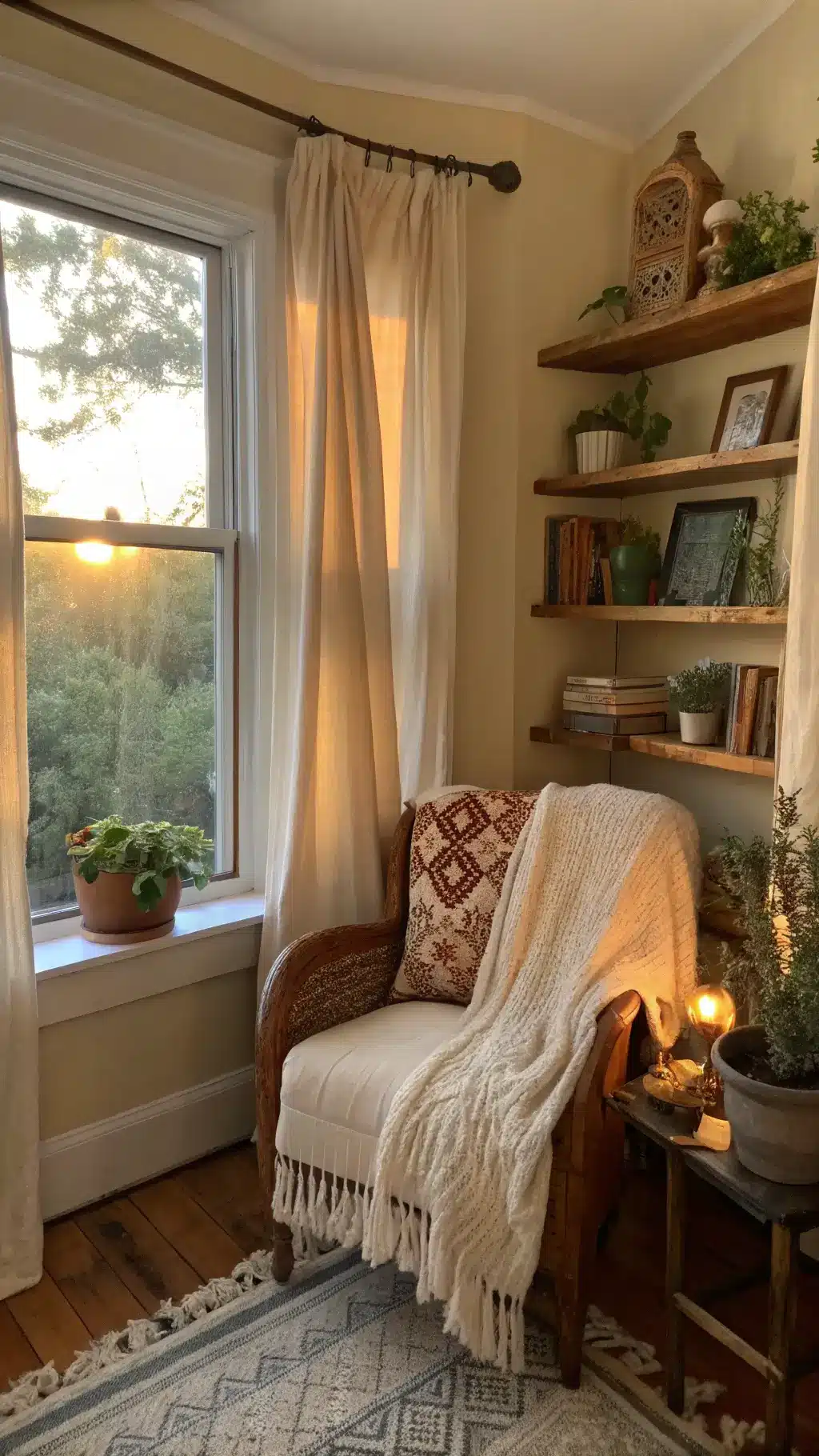
Must-Have Hero Pieces
- Neutral upholstered armchair with character
- Rustic wooden coffee table that shows its history
- Handmade ceramic vases with imperfect edges
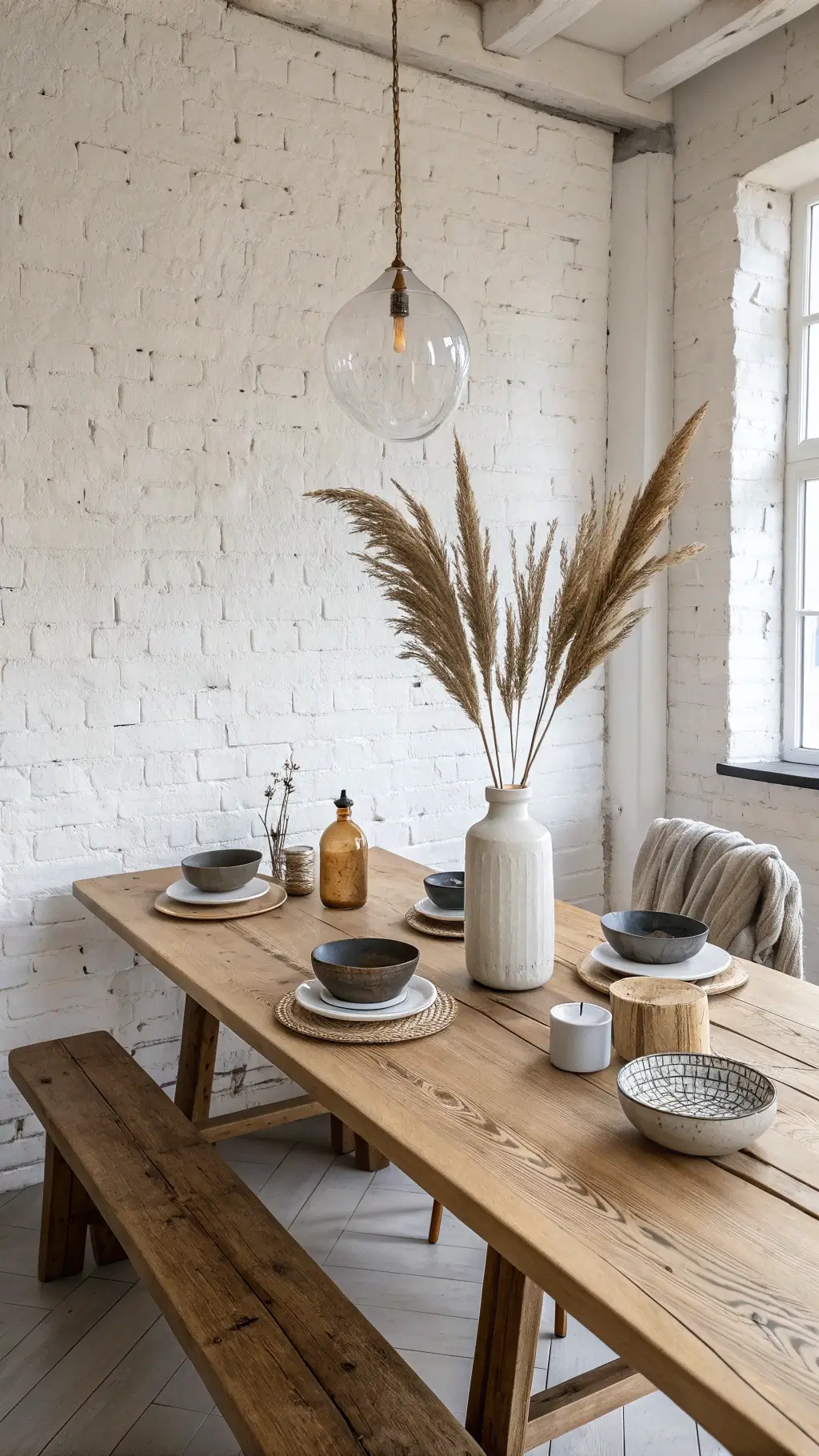
Pro Tip: Color Palette Secrets
Stick to these colors and you can’t go wrong:
- Soft beige
- Warm taupe
- Sage green
- Muted browns
- Gentle grays
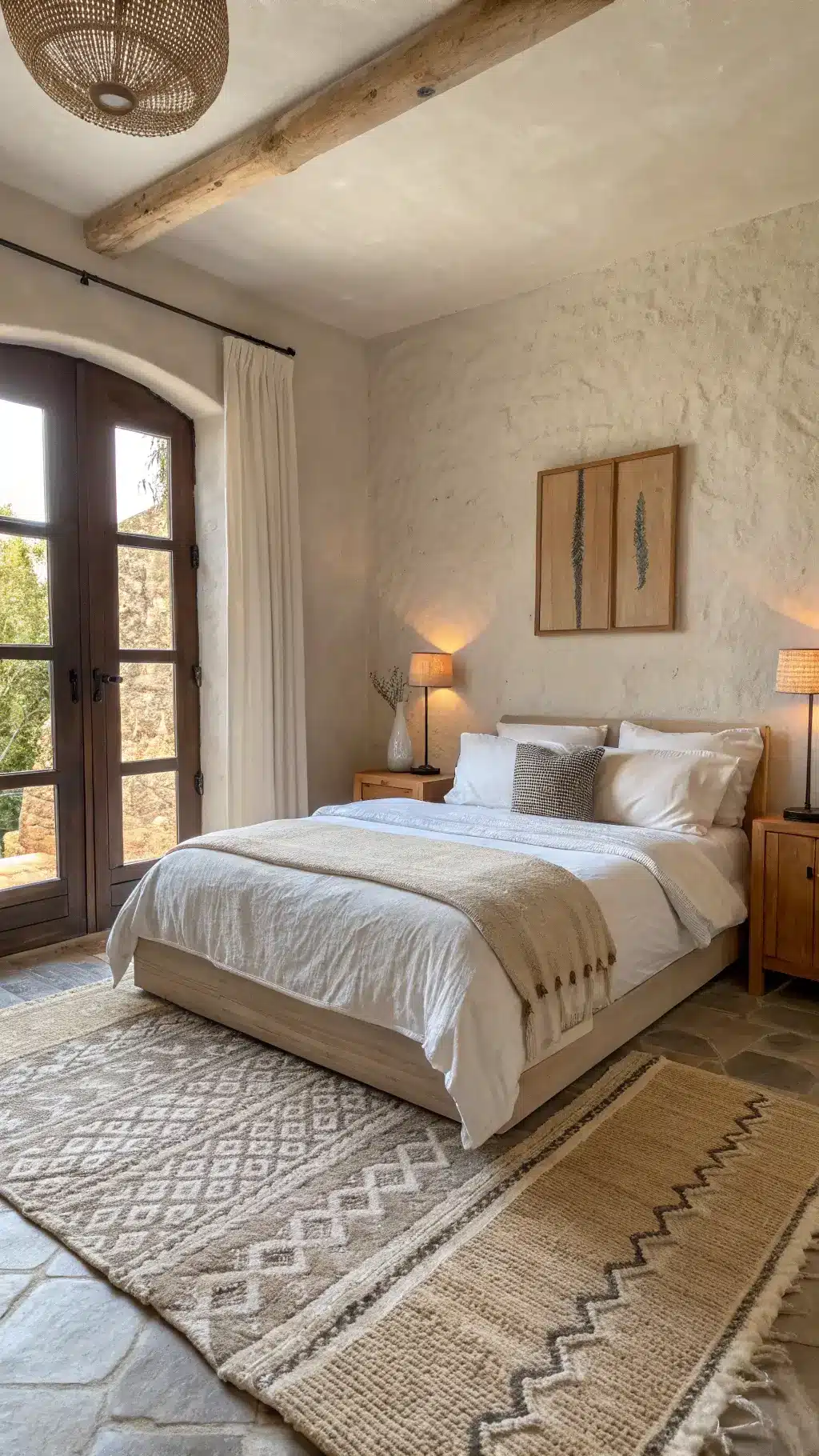
How to Create the Vibe (Even If You’re Not a Design Guru)
Styling Hacks That Actually Work
- Less is more. WAY more.
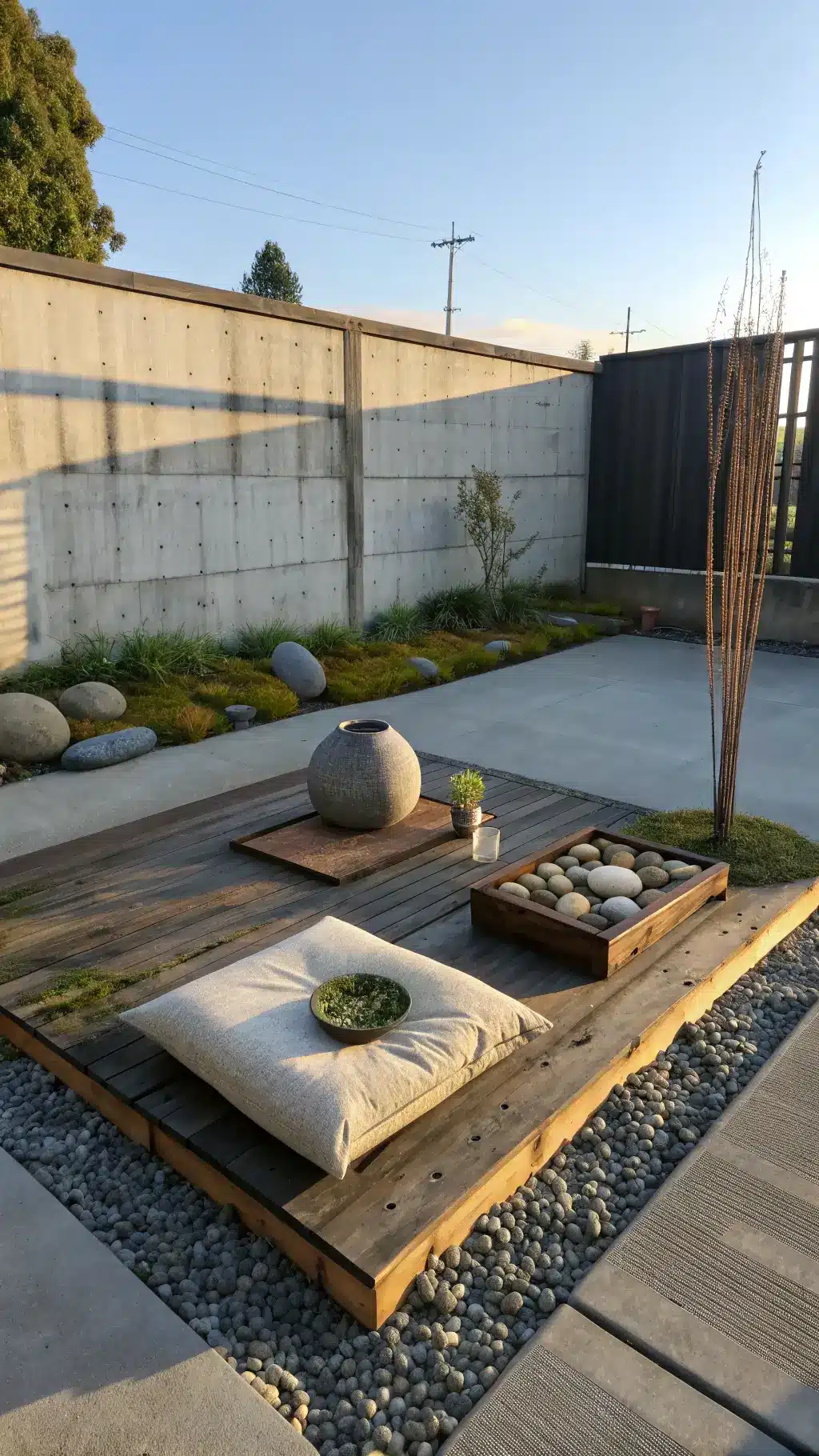
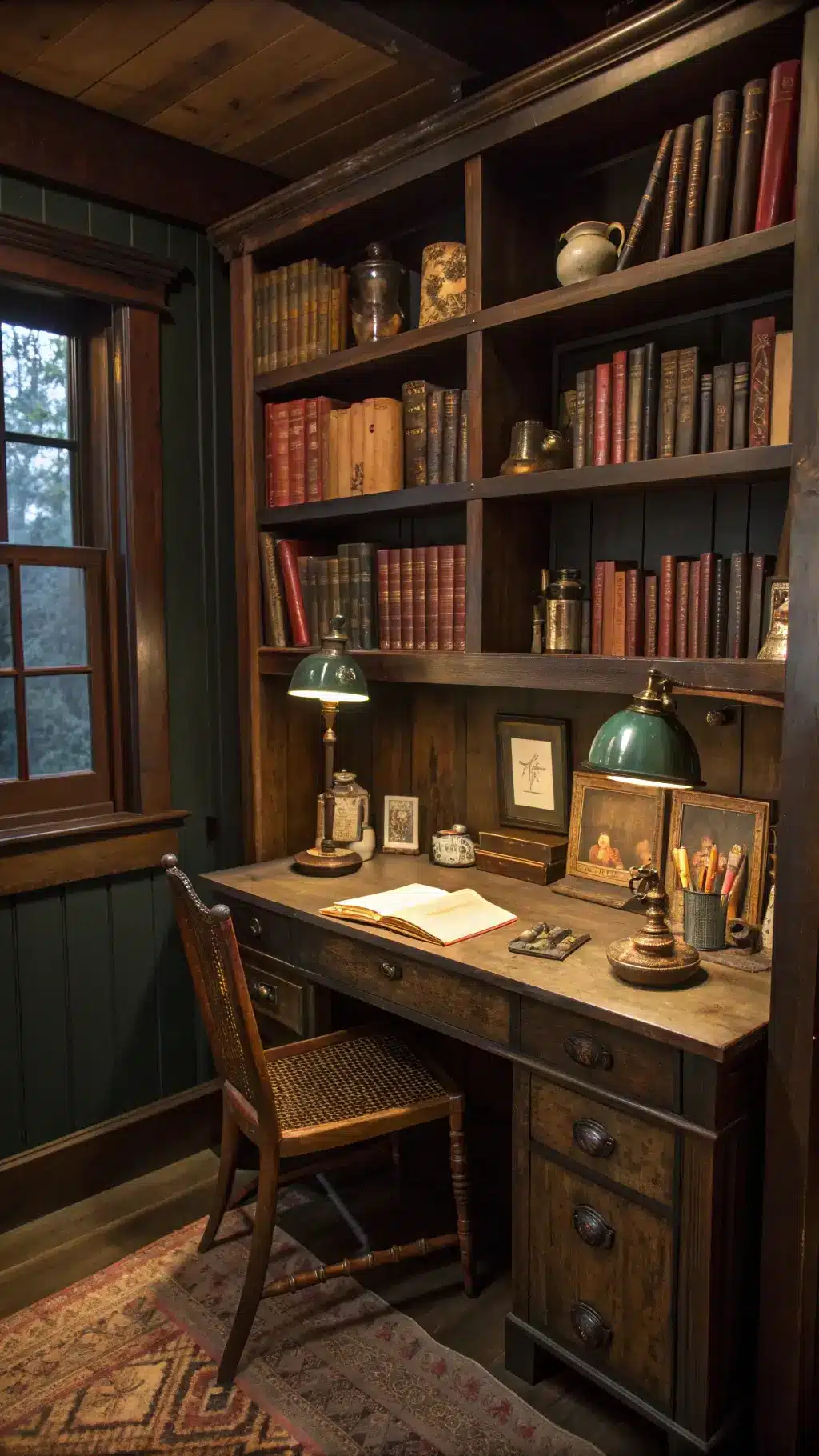
- Embrace objects with history
- Leave some empty space (seriously, it’s okay)
- Mix textures like a boss
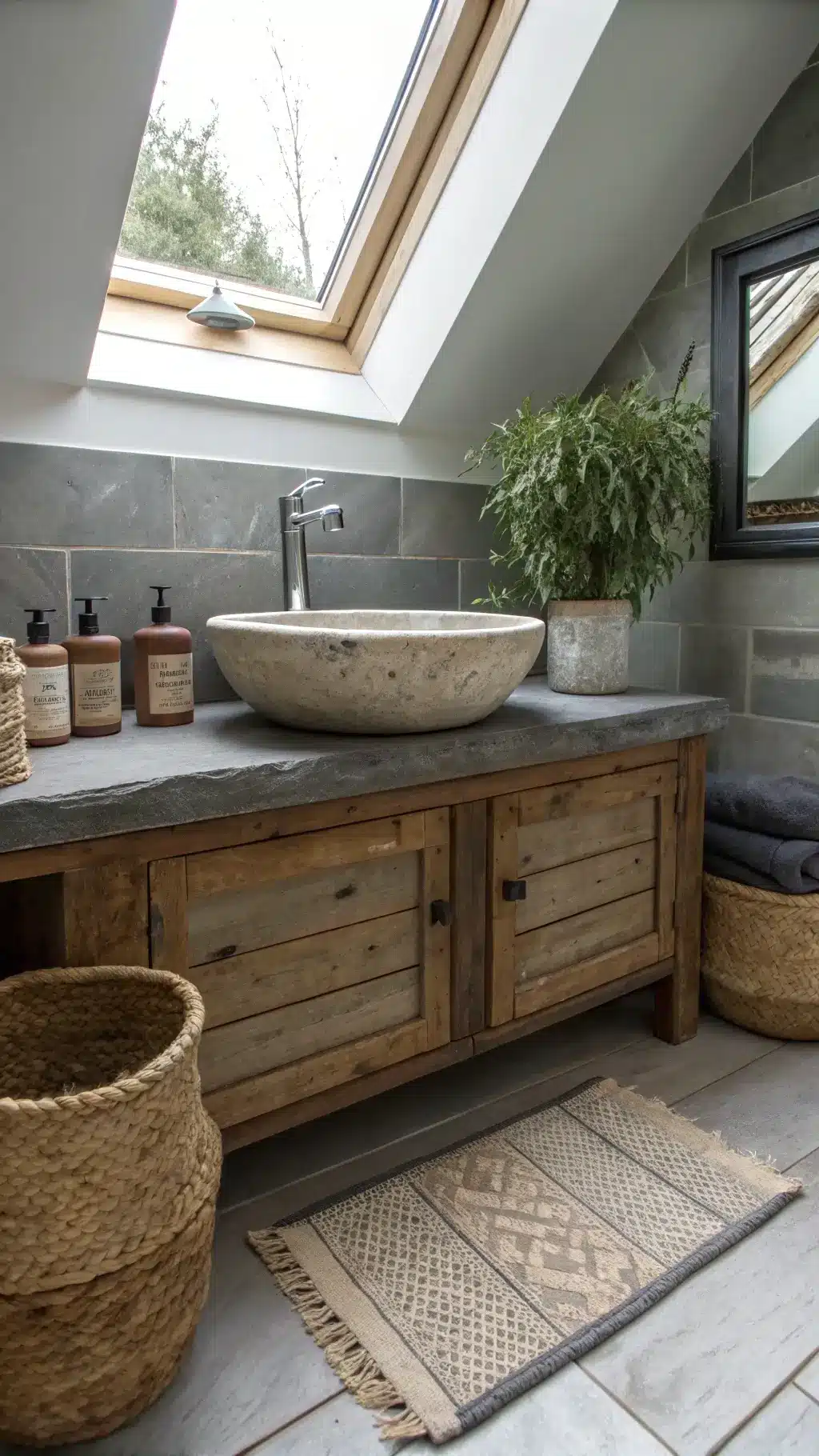
Texture Play: The Real Magic Trick
- Combine raw wood
- Add stone surfaces
- Throw in some woven textiles
- Let each piece breathe
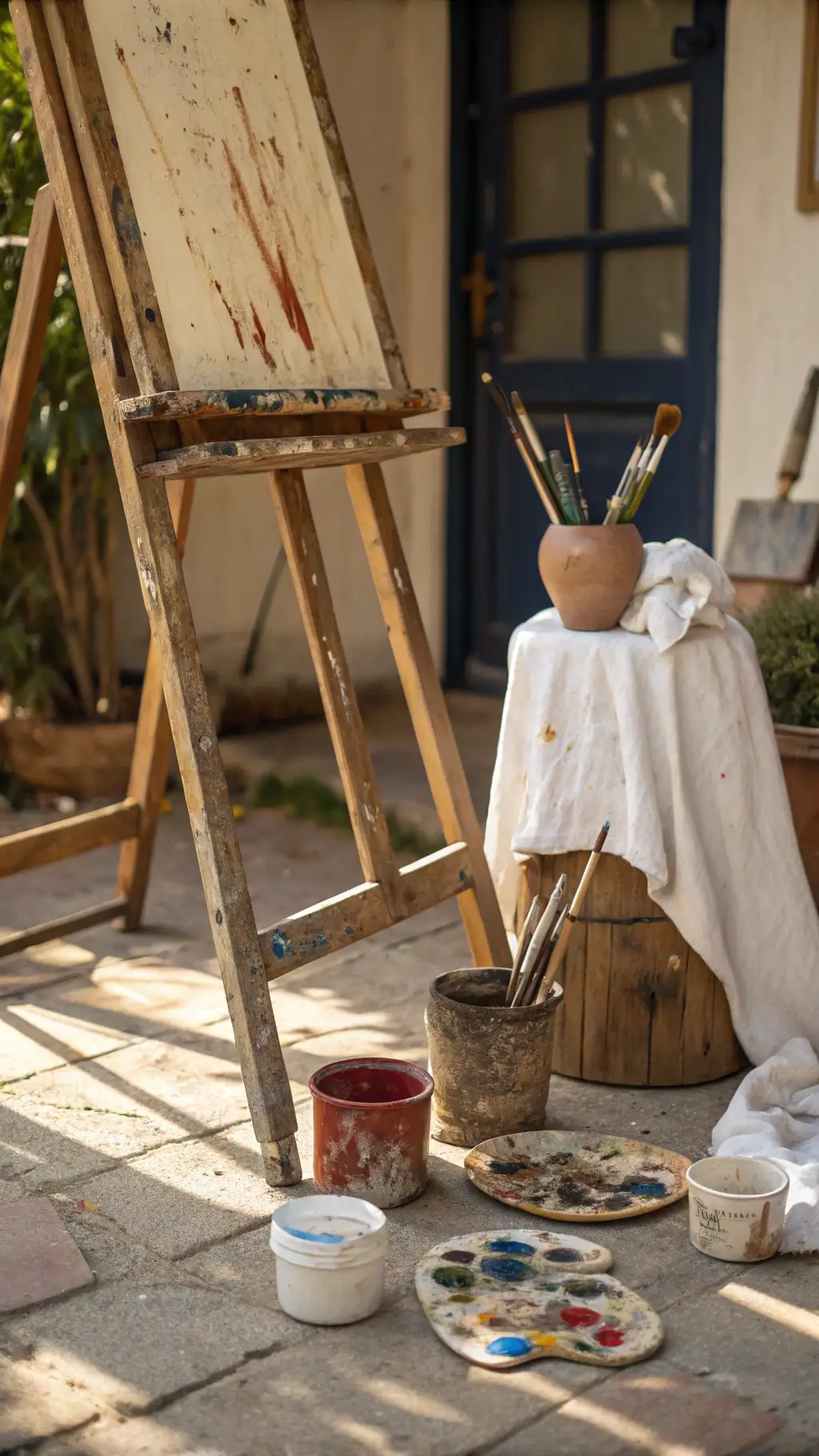
Budget-Friendly Wabi Sabi Secrets
You don’t need to sell a kidney to create this look. Here’s how to do it cheap:
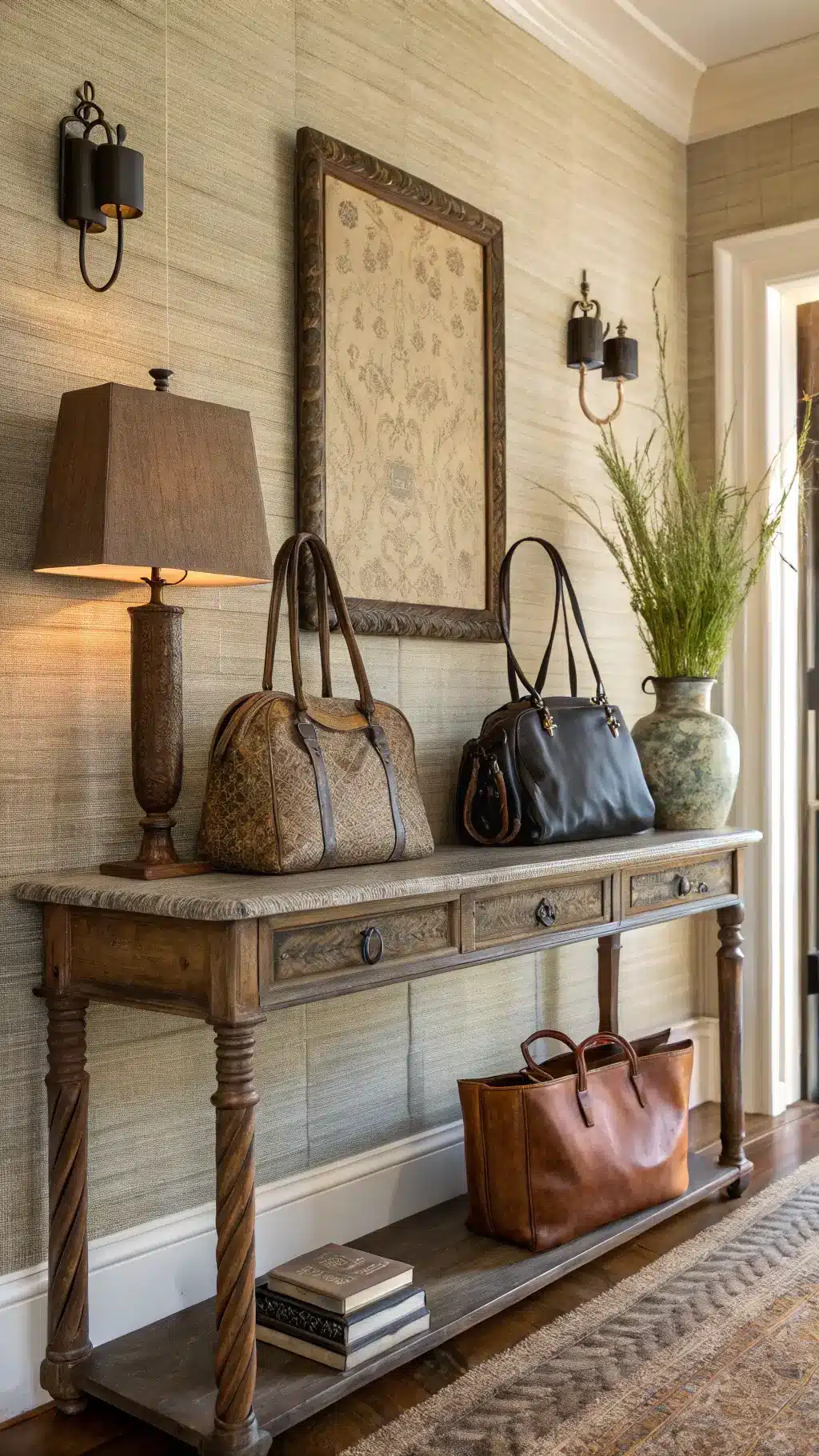
- Thrift stores are your new best friend
- Look for vintage pieces with character
- DIY some accessories
- Use natural elements from outside (branches, stones)
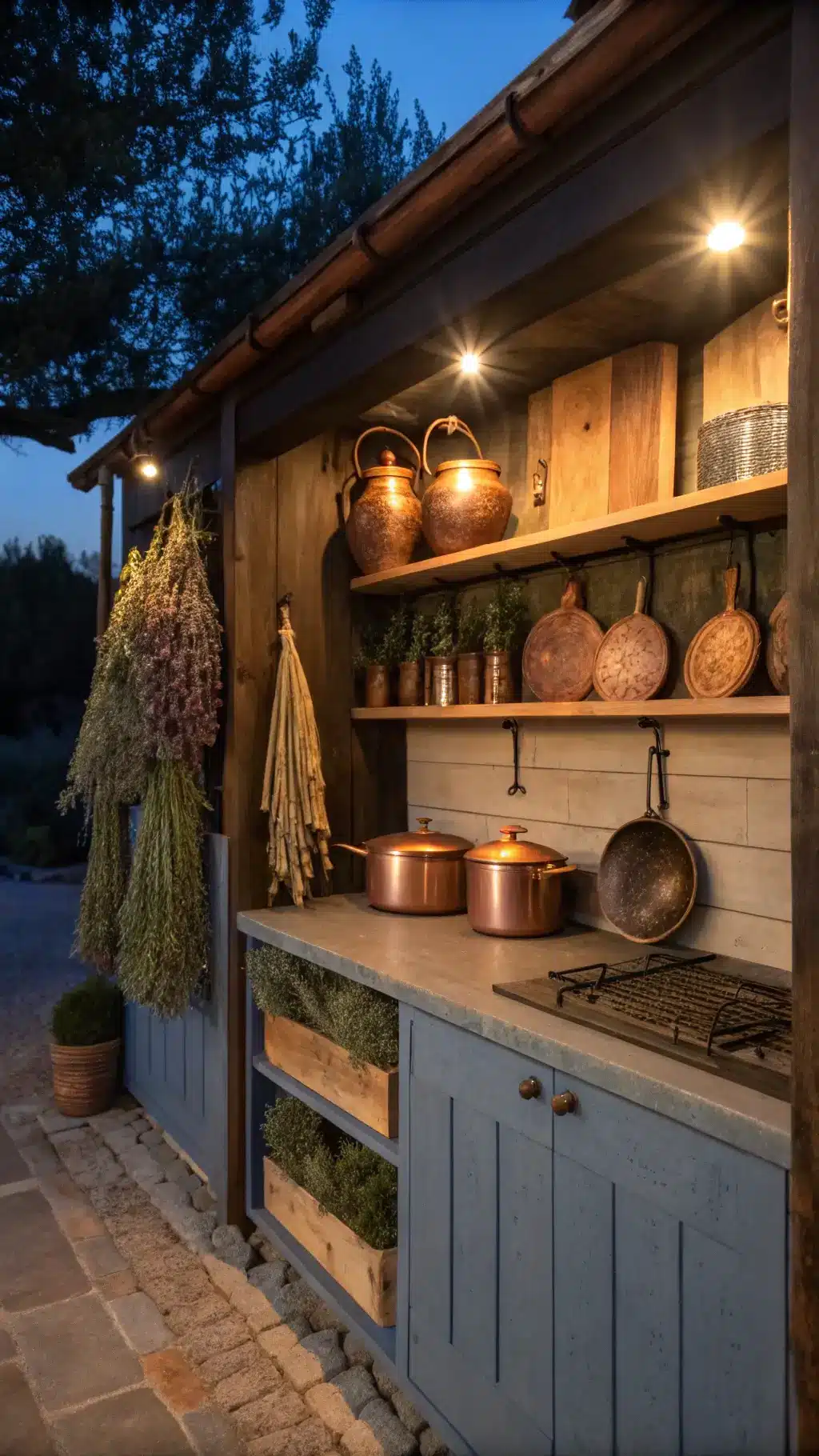
Quick Budget Breakdown
- Thrifted furniture: $50-$200
- Handmade ceramics: $20-$100
- Natural accessories: Basically free
- Total potential investment: $100-$500
Common Mistakes to Avoid
❌ Don’t: Fill every single space
❌ Don’t: Buy matching sets
❌ Don’t: Ignore natural imperfections
✅ Do: Tell a story with your space
✅ Do: Let objects breathe
✅ Do: Celebrate unique details
Final Thoughts: It’s More Than Decor, It’s a Lifestyle
Wabi sabi isn’t just about making a room look good. It’s about creating a space that feels like home. A space that tells your story, celebrates imperfection, and gives you permission to just… be.
Your living room isn’t a museum. It’s a living, breathing part of your life.
Pro Photographer Tips
- Natural light is your friend
- Shoot from corner angles
- Highlight texture and subtle details