Basement Ideas: Turn That Dark Dungeon Into Your Dream Space
Basement ideas are everywhere these days, and honestly? I’m obsessed with them.
My own basement used to be this creepy, cold space where old holiday decorations went to die. Now it’s literally my favorite room in the house, and I’m gonna show you exactly how to make yours amazing too.
Look, I get it. Your basement probably feels like a concrete box right now. Maybe it smells a little weird when it rains. Maybe you can barely see down there without squinting. But I promise you—this space is sitting on GOLD and doesn’t even know it yet.
Why Your Basement Deserves Better (And So Do You)
Quick Reality Check
Basement makeovers can cost anywhere from under $5,000 to over $20,000, depending on how fancy you wanna get. Most projects take somewhere between 4-12 weeks. That might sound like alot, but think about it—you’re basically adding an entire floor to your house without building an addition.
The best part? Basements are perfect when you’re running out of room upstairs and need space for literally anything. Family hangouts, workout zones, kid play areas, your secret hobby stash—the possibilities are endless.
The trick is nailing the lighting (we’ll get to that, I promise) and figuring out what you actually want this space to DO.
🎨 Steal This Look
- Paint Color: Benjamin Moore Hale Navy HC-154
- Furniture: modular sectional sofa with storage ottoman, convertible sleeper sofa for guest flexibility, wall-mounted floating desk for multi-function workspaces
- Lighting: flush-mount LED disk lights with dimmer switches, plug-in wall sconces for rental-friendly upgrades, under-shelf LED strip lighting for task zones
- Materials: water-resistant vinyl plank flooring, moisture-resistant drywall, steel or aluminum window well covers, industrial metal shelving units
I’ve seen too many basements become forgotten storage graveyards because people rushed the planning phase—taking two weekends to map out your zones and lighting needs will save you years of regret.
The Coolest Ways To Use Your Basement
Entertainment Central (AKA Where The Magic Happens)
I transformed half my basement into an entertainment area last year, and now nobody wants to leave when they come over.
Here’s what makes it work:
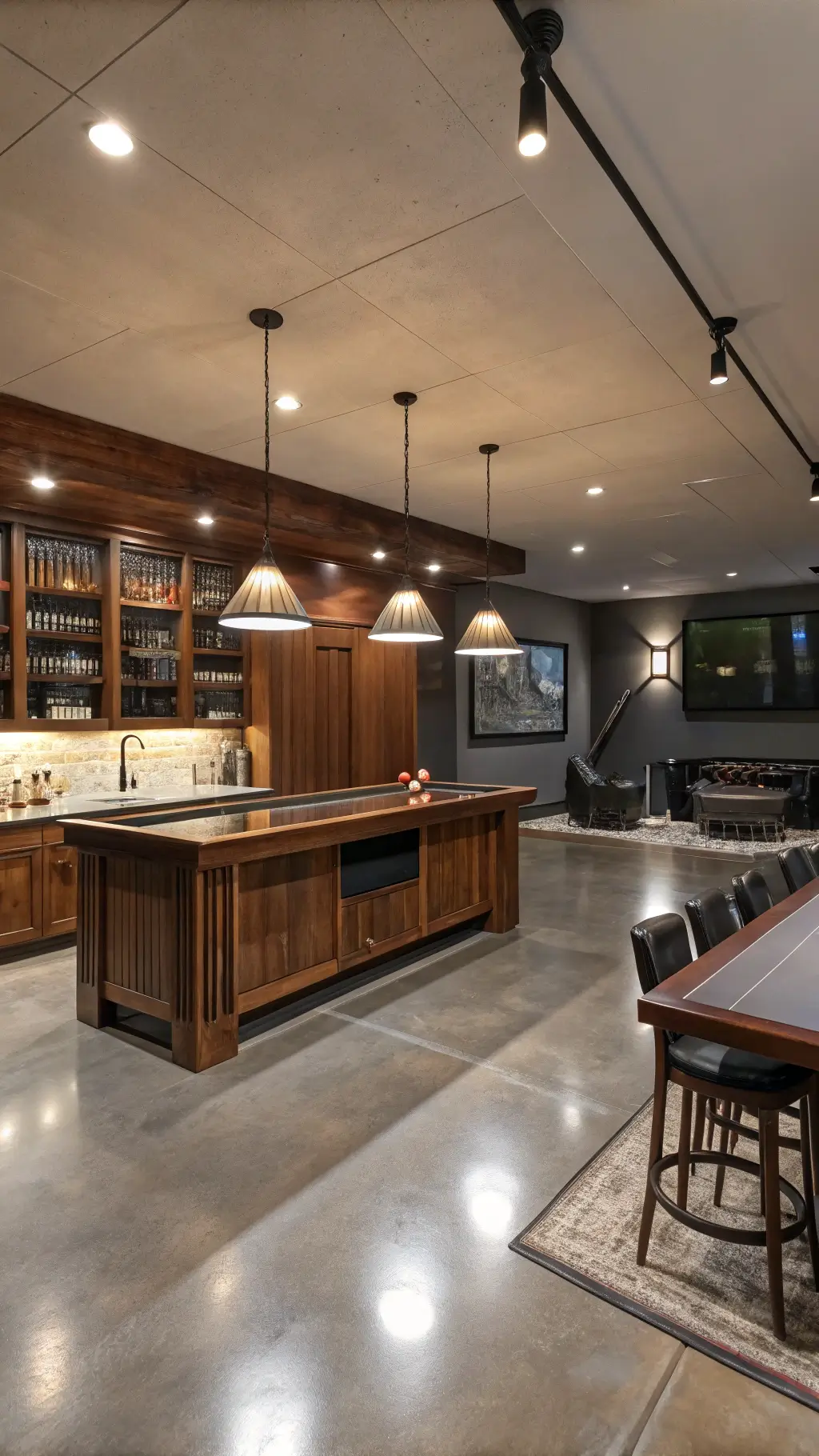
- A wet bar with wrap-around counters—looks fancy, surprisingly doable
- Bar stools that actually match (game changer)
- A pool table with proper lighting overhead
- Pendant lights that set the mood
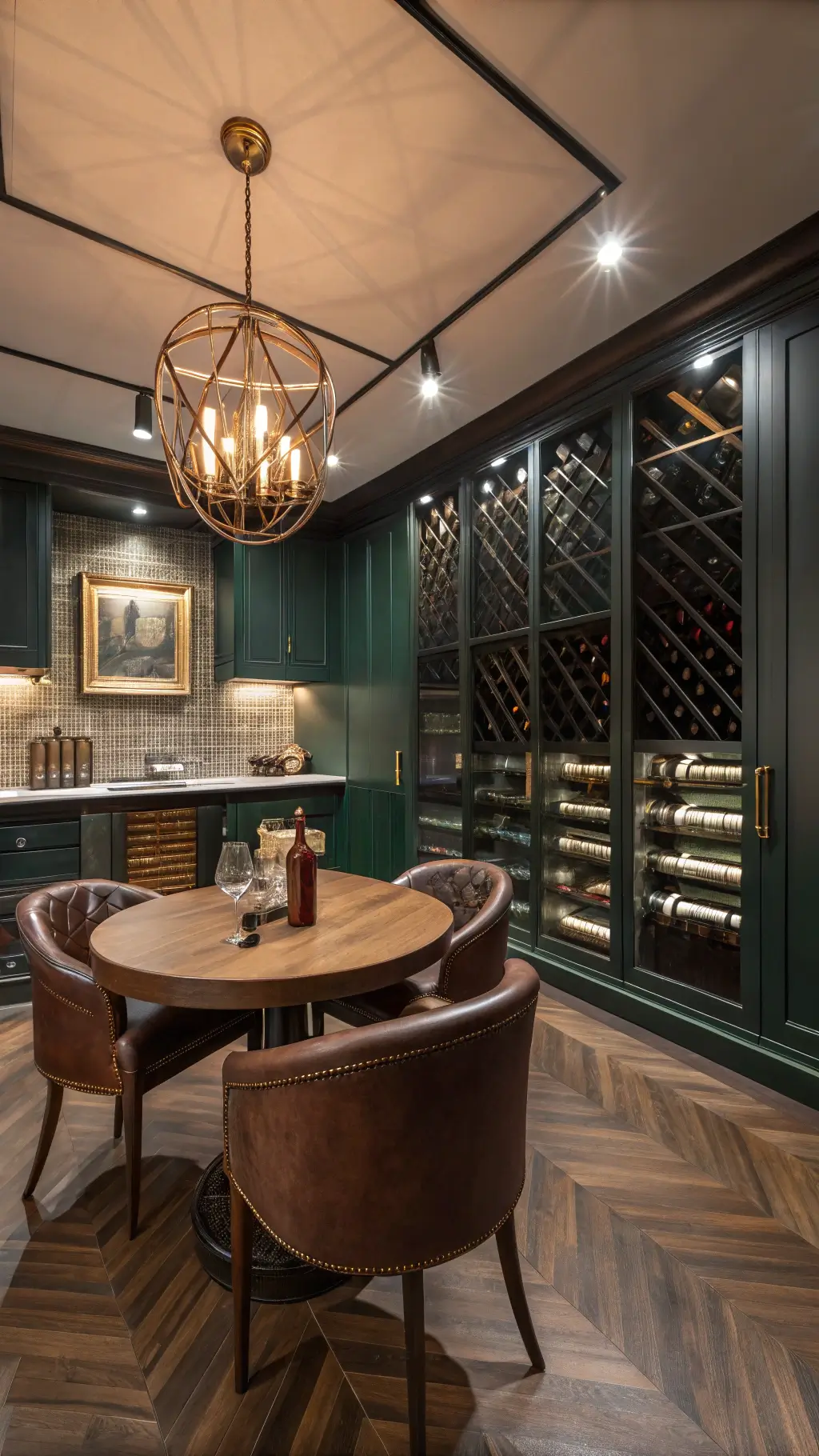
If you’re into wine (or just wanna look sophisticated), adding wine storage gives major luxury vibes without breaking the bank.
Rooms That Actually Get Used
My sister turned her basement into a home gym, and she’s never looked back. No more tripping over dumbbells in the living room, no more excuses about not having space.
Other winning options:
- Home gym: Keep all that equipment out of sight but totally accessible
- Kids playroom: Think mini trampolines, climbing walls, reading nooks, and slides—basically controlled chaos
- Hobby central: Whether you’re into crafting, music, art, or meditation, basements give you that dedicated zone
- Home library: Floor-to-ceiling bookshelves look INCREDIBLE in basements
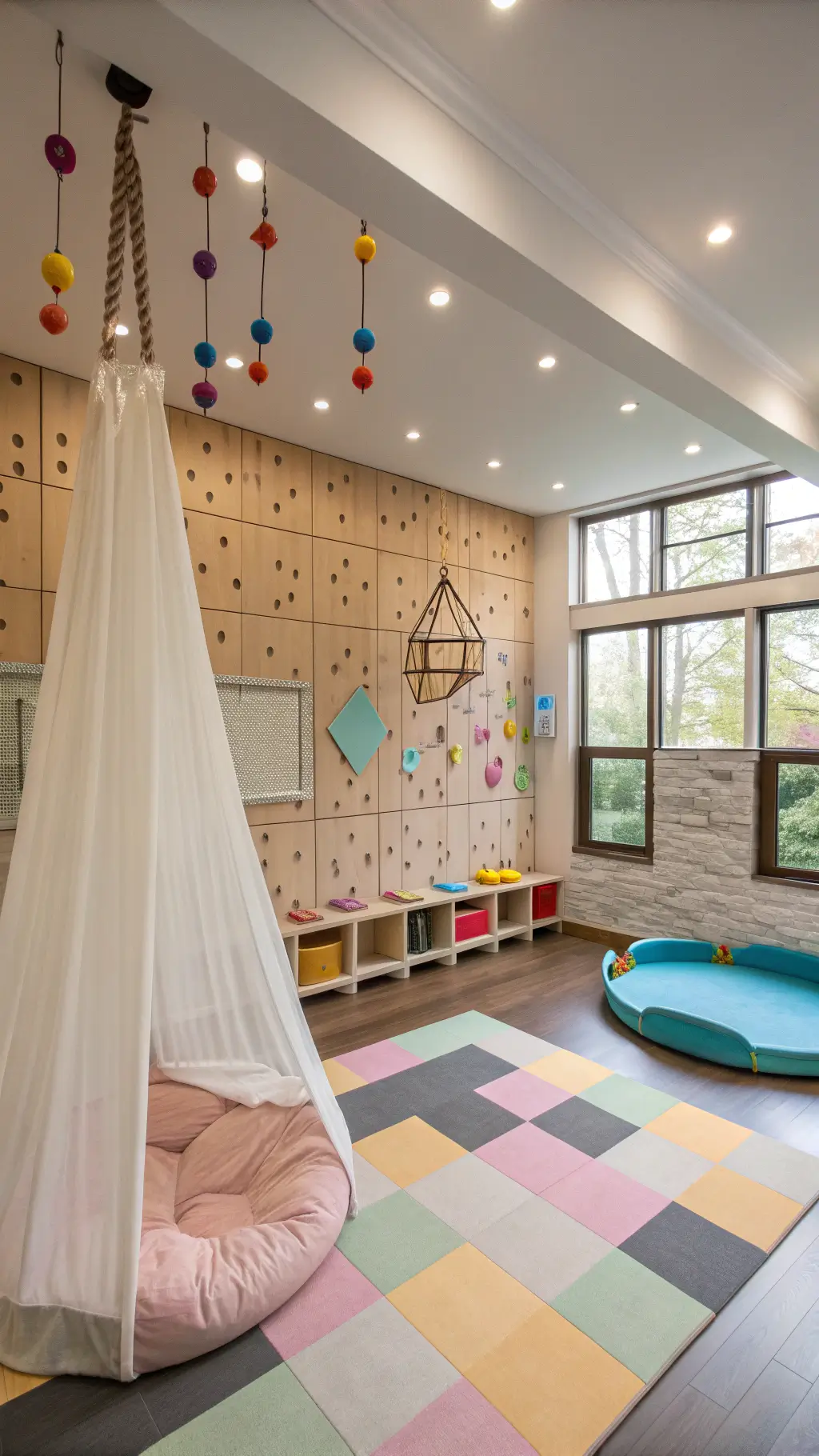
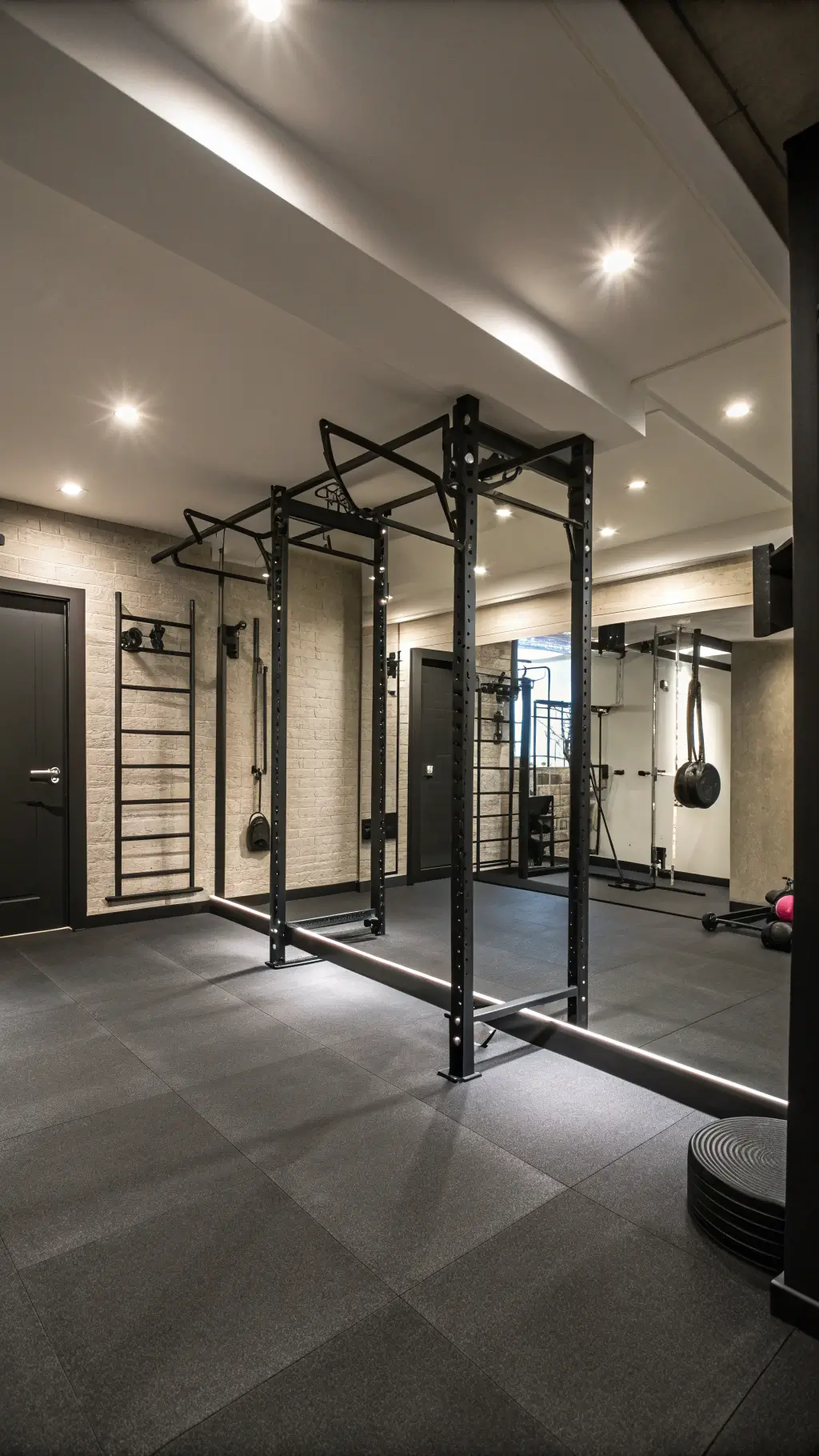
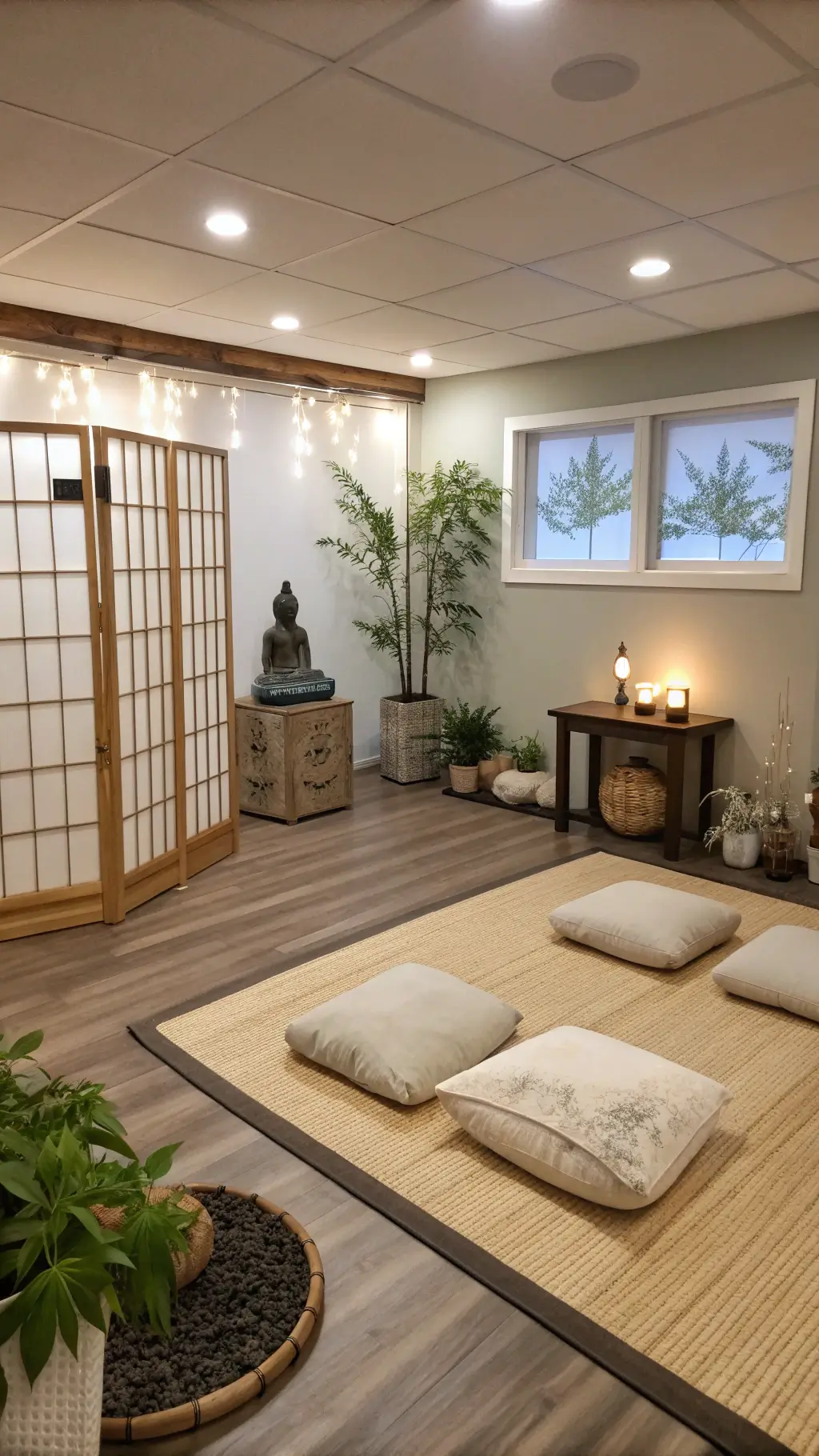
Your New Favorite Office
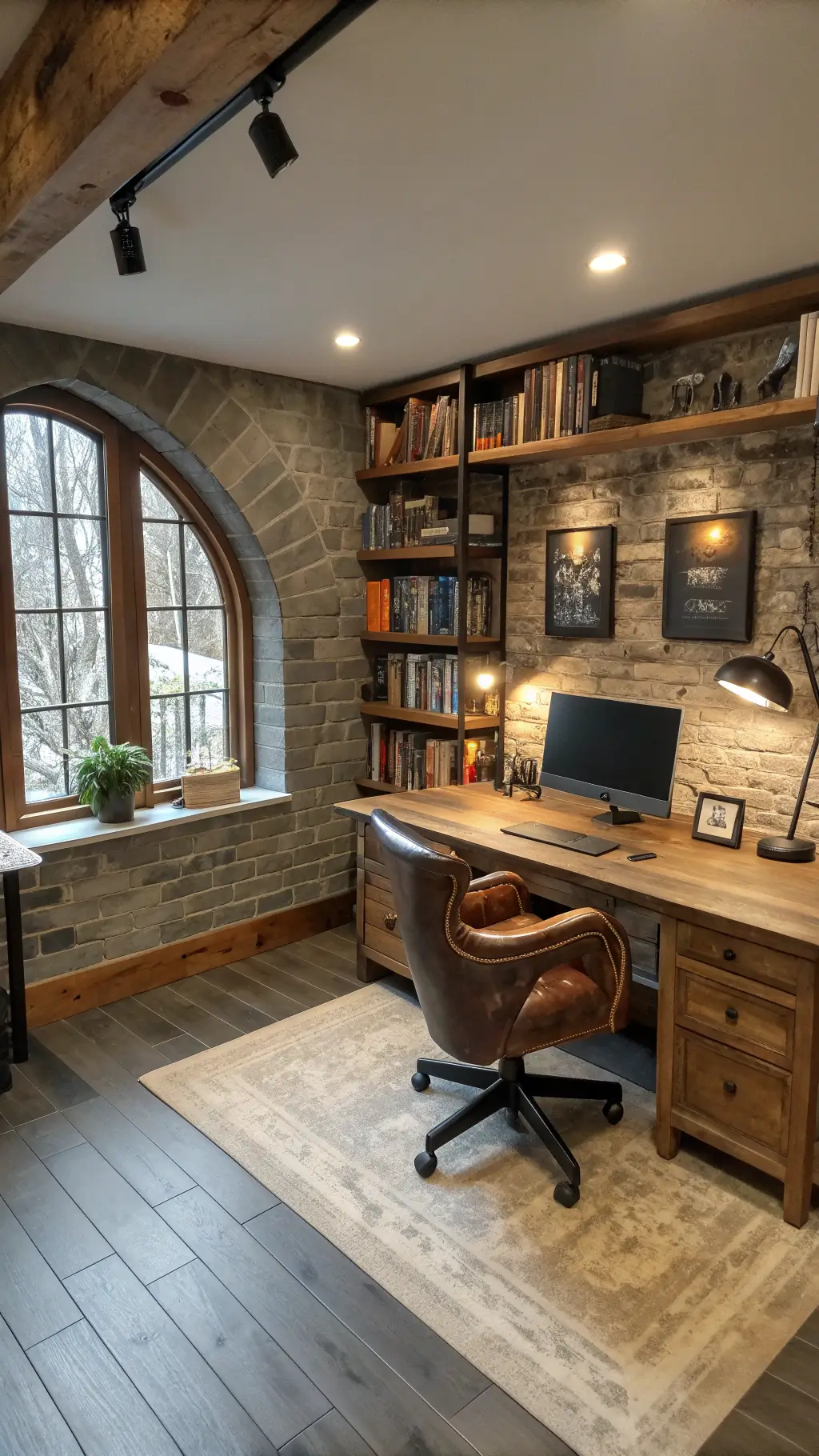
Working from home in your bedroom hits different when you’ve got a whole basement office instead.
The setup that worked for me:
- A solid desk (splurge here if you can)
- An ergonomic chair (your back will thank you)
- Light colored paint on every wall
- Proper lighting—we’re talking multiple sources, not just one sad ceiling bulb
🖼 Steal This Look
- Paint Color: Farrow & Ball Off-Black 57
- Furniture: Low-profile leather bar stools with back support, 7-foot slate pool table with dark felt, built-in wet bar with quartz waterfall countertop
- Lighting: Industrial pendant lights with Edison bulbs over bar area, adjustable track lighting system for pool table illumination
- Materials: Reclaimed wood ceiling beams, polished concrete floors with area rugs, brushed brass bar hardware, leather and velvet upholstery
There’s something about descending into a finished basement that feels like escaping the rest of the house—lean into that cocoon effect with darker walls and layered lighting that you can dial up for parties or down for late-night pool games.
Let There Be Light (Seriously, This Changes Everything)
The Lighting Situation That Saved My Life
Okay, lighting is literally the most important thing in basement design. I learned this the hard way after painting everything perfect and still feeling like I was in a cave.
- Recessed Lighting: Great for low ceilings, install in a grid to eliminate dark corners
- Wall Sconces: Add warmth and character, great for task lighting
- Pendant Lights: Make a statement over bars, tables, or pool tables
- Track Lighting: Flexible and directional—perfect for highlighting art or zones
- Lamps: Floor and table lamps = instant atmosphere
- LED Strips: Subtle glow behind TVs, under bars, or along stairs
- Windows & Natural Light: Add or enlarge them if you can, use mirrors and light colors to reflect light
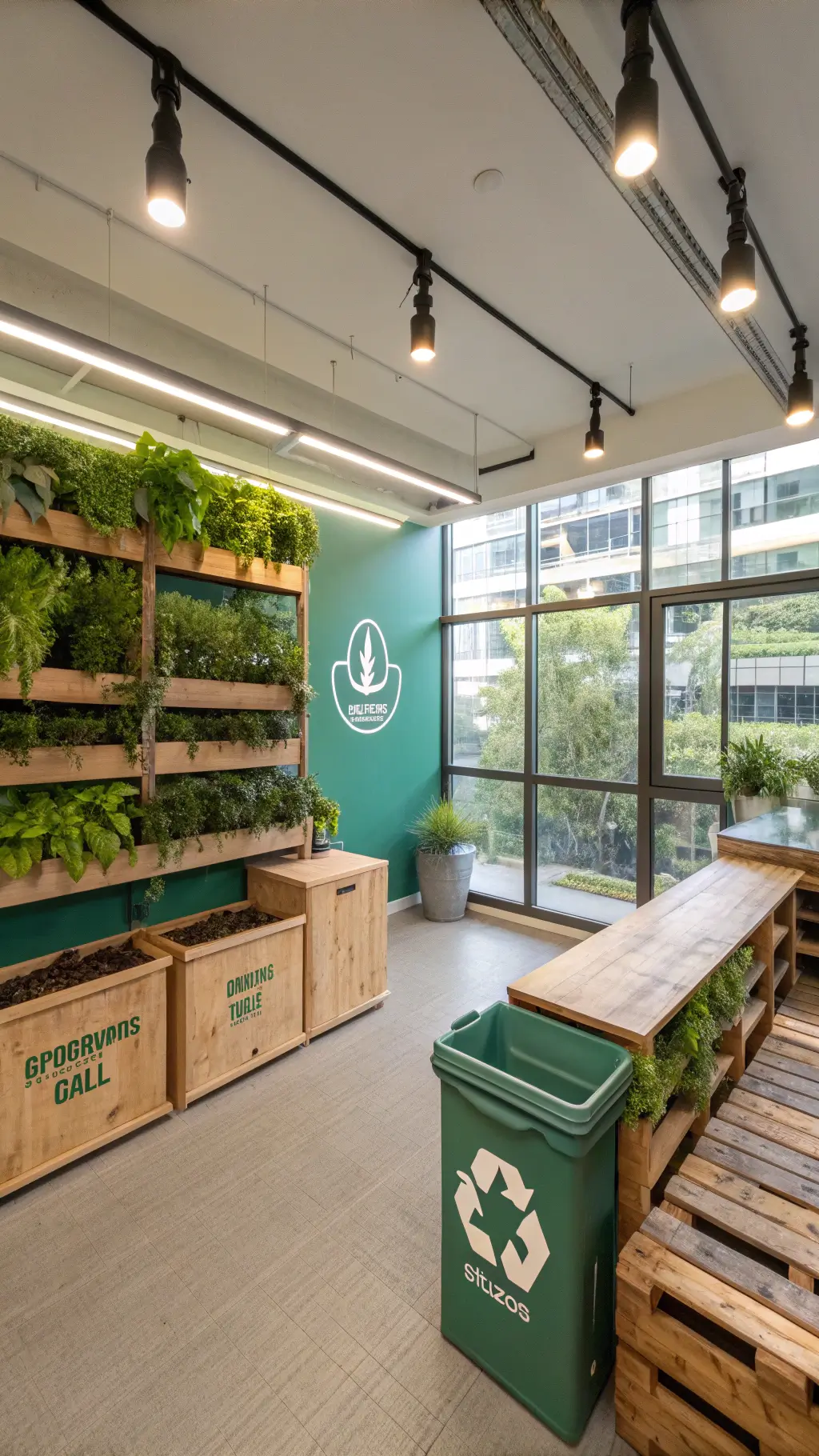
🏠 Steal This Look
- Paint Color: Behr Polar Bear 75
- Furniture: Low-profile sectional in light gray performance fabric, acrylic console table, mirrored accent pieces
- Lighting: 4-inch ultra-thin LED recessed lights in warm white 3000K, brass swing-arm wall sconces, industrial cage pendant over game table
- Materials: Polished concrete or light luxury vinyl plank flooring, glass and acrylic surfaces, brushed brass metal finishes, large frameless mirrors
I spent months perfecting my basement paint colors only to realize the real magic happened when I layered light sources—now the space feels like a cozy den at night and actually usable during the day.
Floors, Walls & The Pretty Stuff
Flooring That Makes Sense
Your flooring choice depends on your vibe:
- Wall-to-wall carpet: Cozy and warm
- Vinyl plank flooring: Modern, waterproof, looks like real wood
- Ceramic tile: Durable and stylish
Always go lighter colors—they reflect light and make your space feel bigger.
Arches Are Your Secret Weapon
Drywall arches sound fancy but they’re not that expensive. They create separate zones without building actual walls, which means more flexibility and better flow.
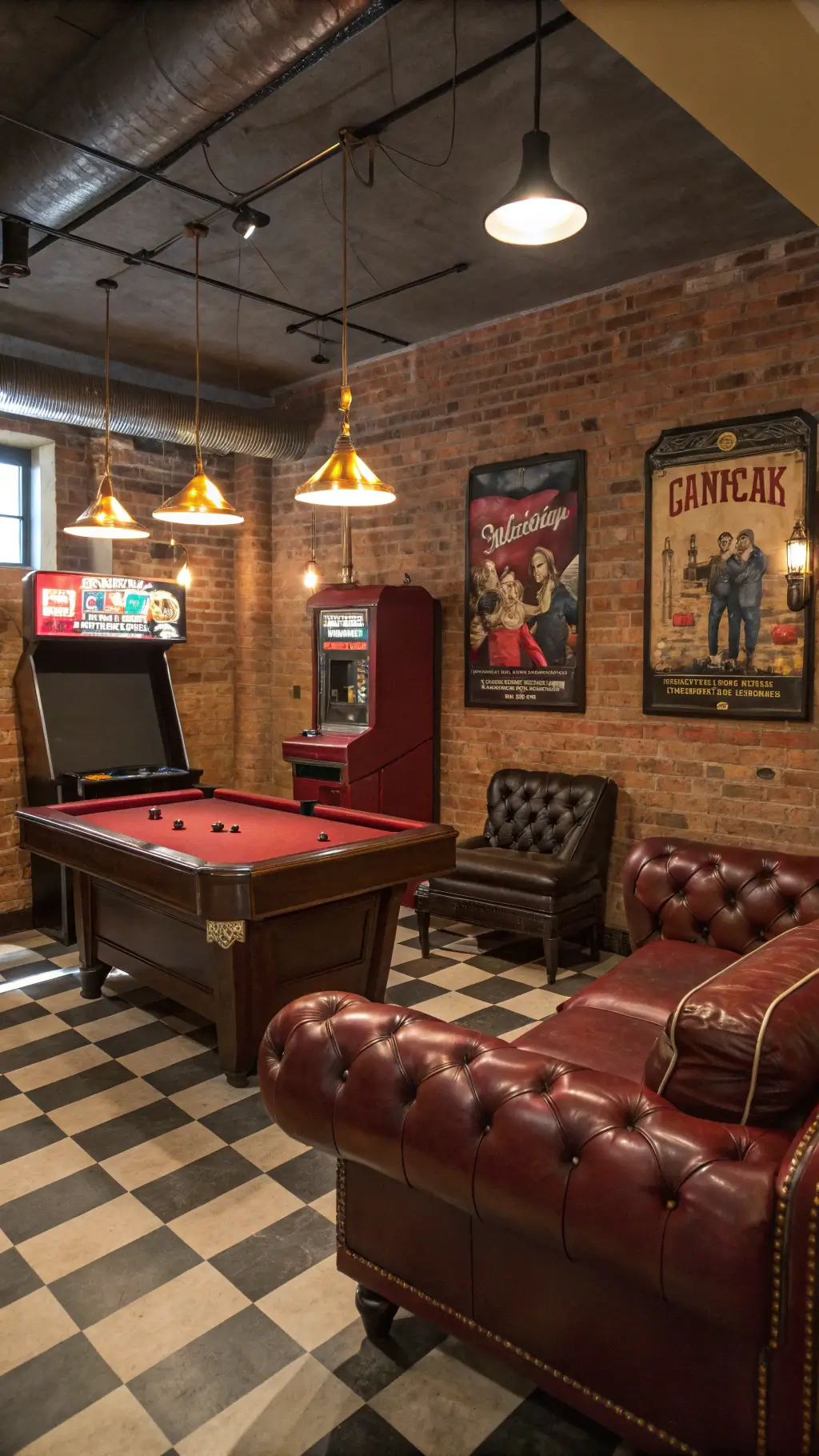
🎨 Steal This Look
- Paint Color: Valspar Swiss Coffee 7002-16
- Furniture: Low-profile modular sectional in light gray performance fabric, floating media console with clean lines
- Lighting: Recessed can lights with warm dim LEDs, plus arched floor lamp for task lighting
- Materials: Vinyl plank in whitewashed oak finish, smooth drywall with rounded arch corners, matte black metal accents
I’ve walked too many basements that feel like afterthoughts, and the ones that stick with me always start with that pale wood-look vinyl and one perfect arch framing the TV area—it signals intention without the contractor bill you’d expect.
Actually Doing The Thing
Before You Start Anything
Real talk—check your basement for moisture issues first. Nothing ruins a beautiful renovation faster than water damage.
- Test for moisture and waterproofing
- Plan where every light goes (use painters tape on the floor