Creating a Dreamy Cottagecore Nursery: Your Ultimate Guide to Vintage Charm and Cozy Comfort
Hey there, design lovers! I’m about to spill all the secrets to crafting the most adorable cottagecore nursery that’ll make your heart melt faster than butter on fresh-baked bread.
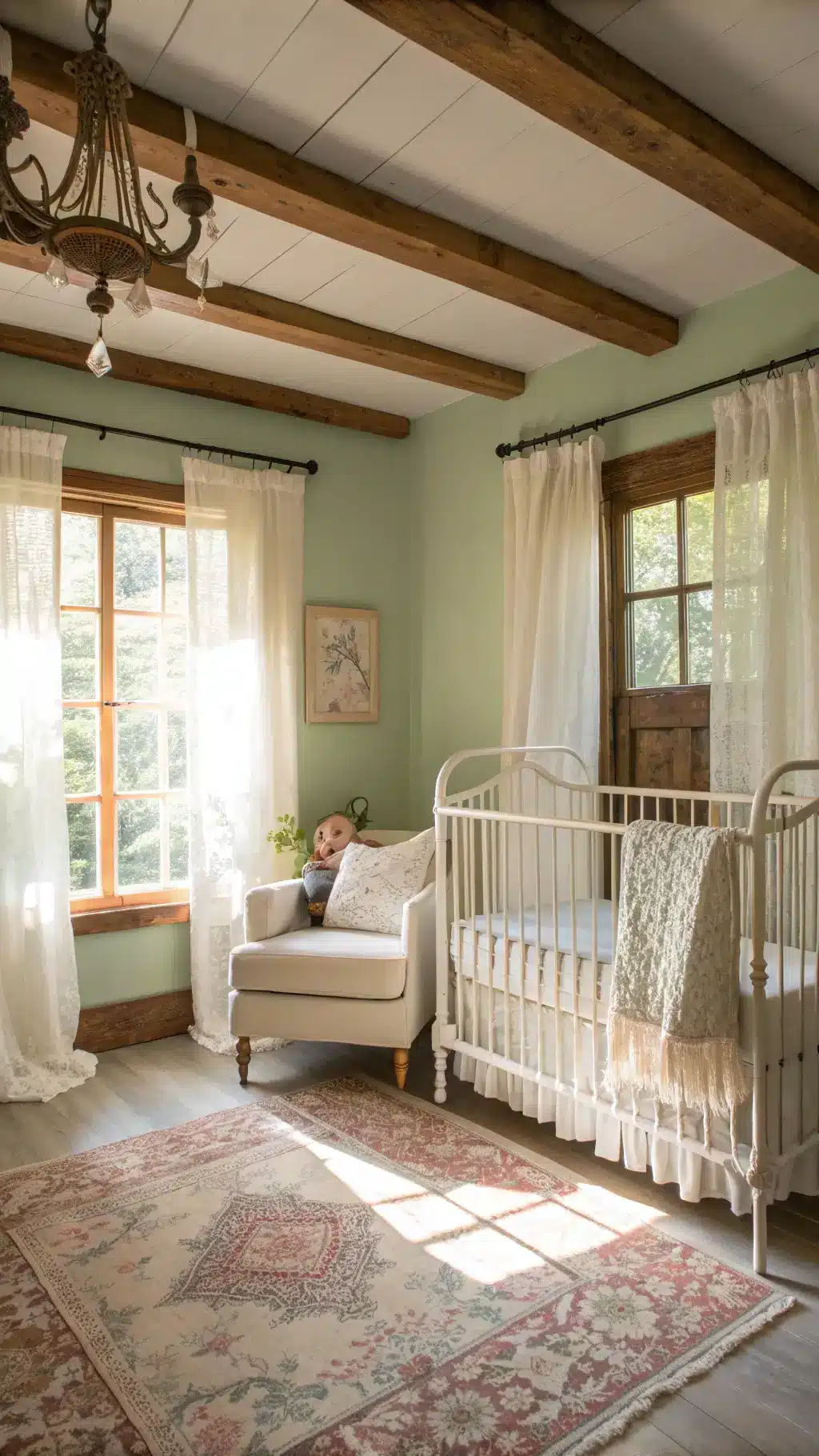
💡 Steal This Look
- Paint Color: Sherwin-Williams Alabaster SW 7008
- Furniture: vintage spindle crib with turned wood details, antique white changing table with brass pulls, wicker rocking chair with floral cushion
- Lighting: brass semi-flush mount with frosted glass shade, small ceramic table lamp with ruffled linen shade
- Materials: unbleached linen, raw cotton, distressed whitewash wood, dried lavender bundles, hand-crocheted blankets, pressed flower art
I always tell new parents that cottagecore nurseries feel like wrapping your baby in the emotional warmth of a grandmother’s hug—imperfect, handmade, and deeply comforting in a way sleek modern nurseries rarely achieve.
Why Cottagecore? The Magic of Vintage Comfort
Let’s be real. Modern nurseries can feel cold and sterile. But a cottagecore nursery? It’s like wrapping your little one in a warm, handmade hug from grandma’s attic.
What Makes a Cottagecore Nursery Special?
- Soft, dreamy color palette that whispers instead of screams
- Natural textures that feel like a countryside morning
- Vintage pieces with stories to tell
- Handmade touches that scream “I care”
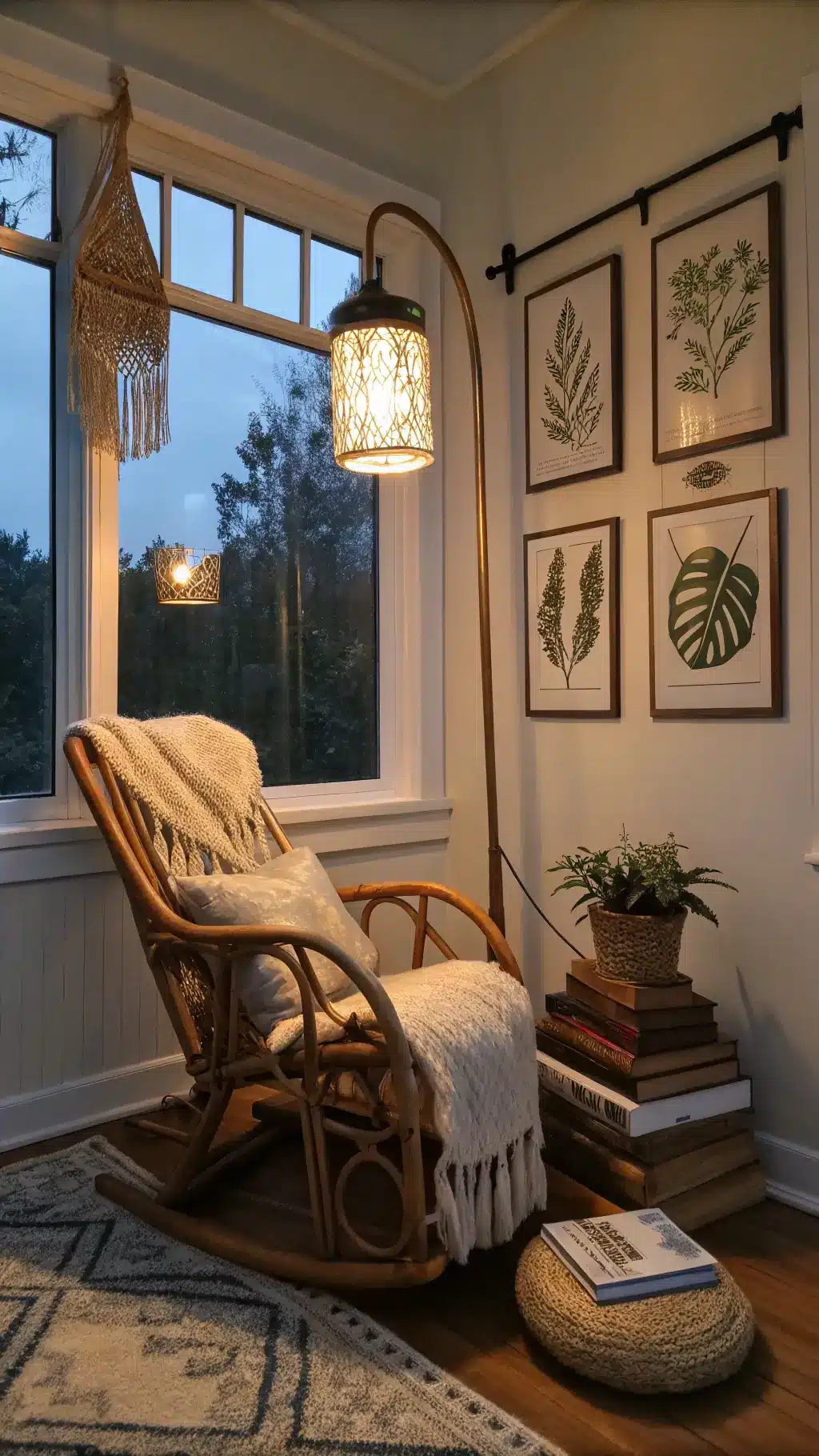
💡 Steal This Look
- Paint Color: Benjamin Moore Linen White 912
- Furniture: antique white spindle crib, weathered oak changing table with turned legs, vintage wicker rocking chair
- Lighting: brass adjustable wall sconce with fabric shade, small crystal chandelier with candle-style bulbs
- Materials: unbleached linen, raw cotton, distressed whitewashed wood, hand-crocheted cotton, dried lavender bundles, vintage quilted textiles
There’s something deeply reassuring about surrounding a newborn with objects that have already held love—cottagecore isn’t about perfection, it’s about the comfort of imperfection and the warmth of things made by human hands.
Essential Elements: Building Your Cottagecore Dream
The Color Palette That Wins
Forget harsh whites. We’re talking:
- Sage green
- Soft blush
- Creamy butter yellows
- Gentle earth tones
Must-Have Pieces
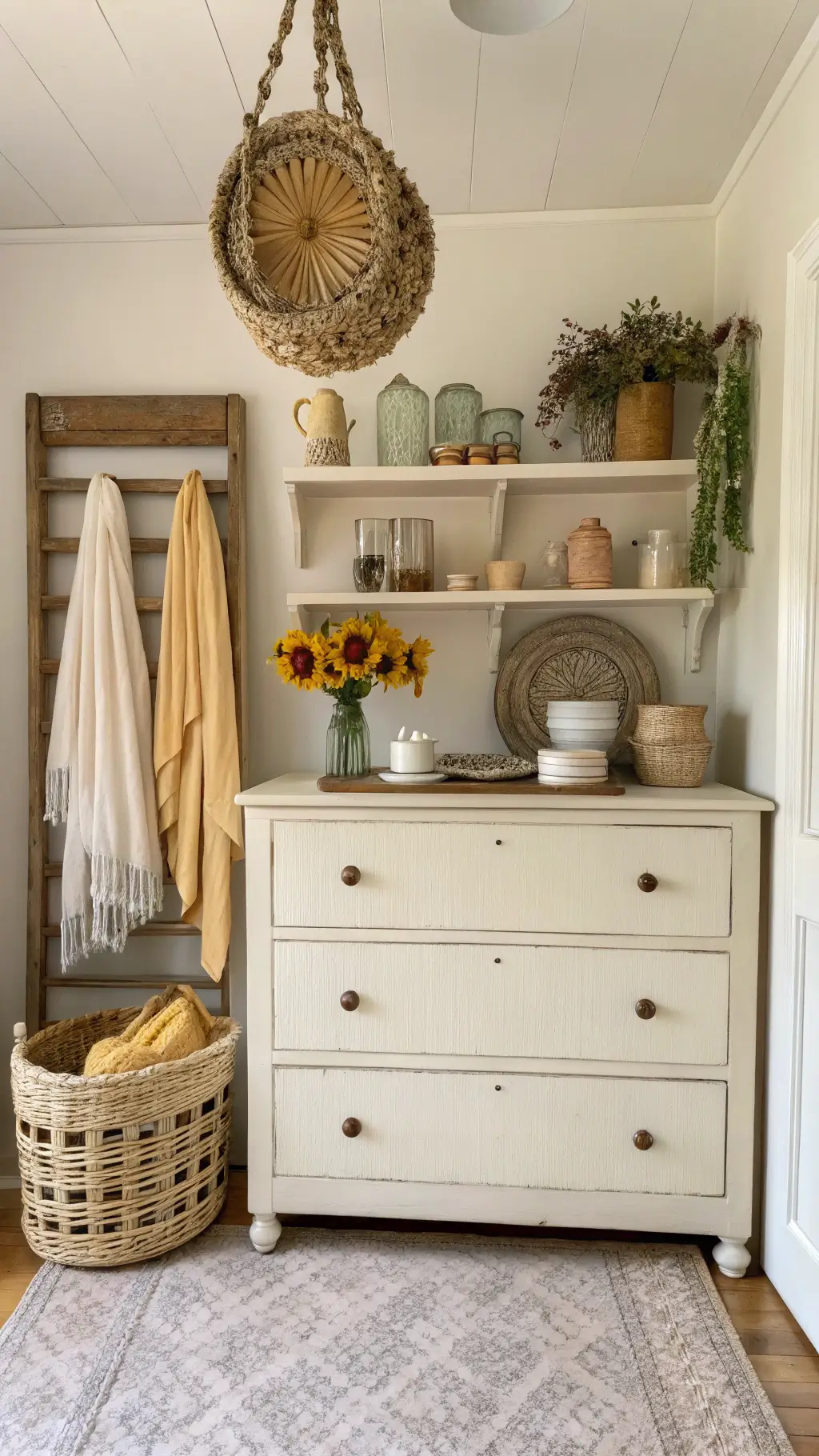
🖼 Steal This Look
- Paint Color: Farrow & Ball Green Smoke 47
- Furniture: Vintage spindle-style wooden crib with turned legs, distressed whitewash finish
- Lighting: Brass adjustable wall sconce with fabric bell shade
- Materials: Unbleached linen, raw-edge cotton, woven seagrass, aged oak, hand-crocheted lace
There’s something deeply calming about walking into a nursery that feels like it grew from the garden itself—this is the space where you’ll whisper lullabies and watch morning light filter through lace, so every texture should feel like a exhale.
Pro Styling Tricks (No Design Degree Required!)
Texture is Your Best Friend
Mix and match like a pro:
- Gingham + lace
- Wool + cotton
- Linen throws
- Crochet blankets
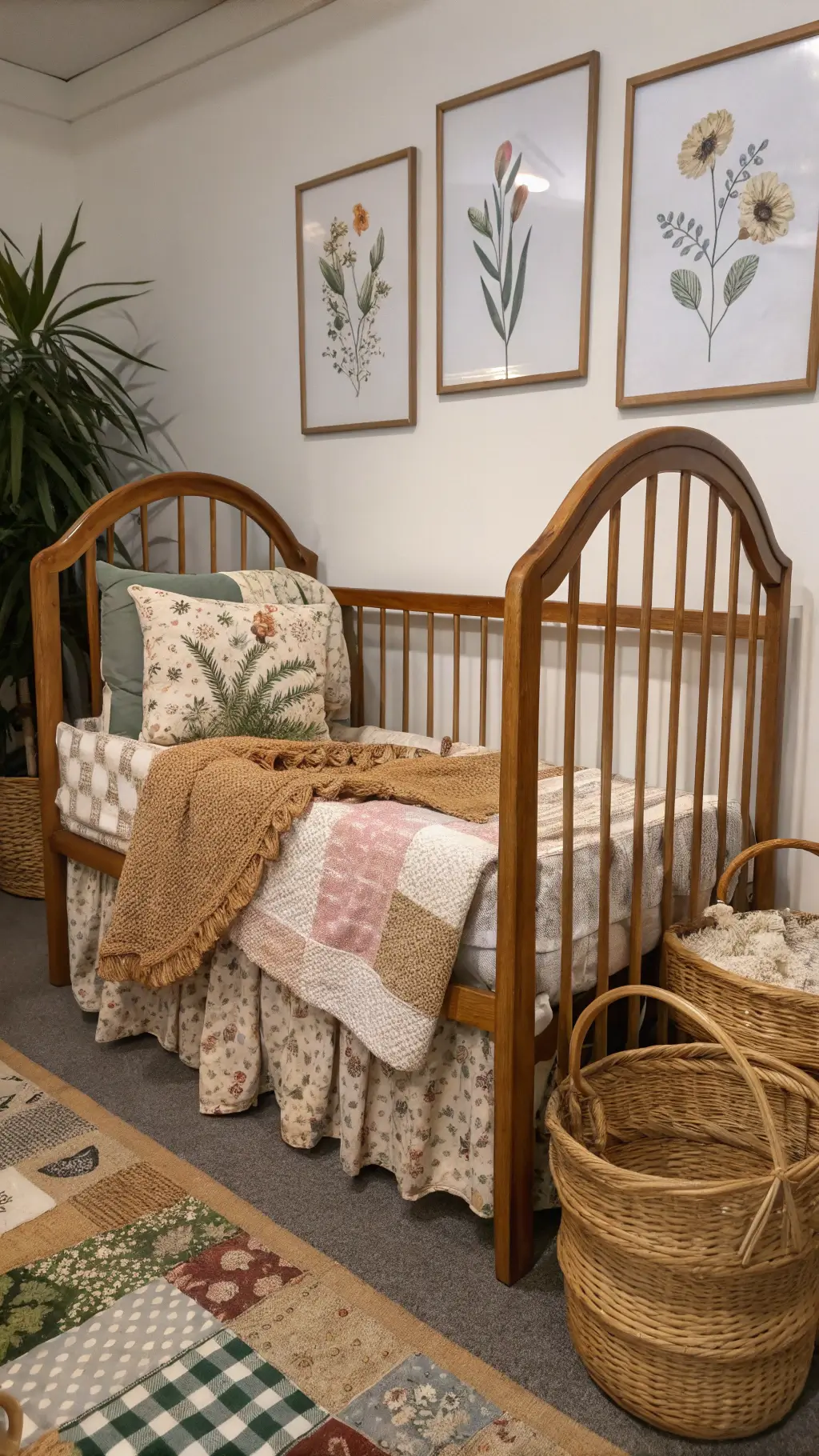
Create Cozy Zones
- Reading Nook: Vintage rocking chair + soft throw
- Changing Station: Wooden table with ceramic accessories
- Wall Decor: Dried flower mobiles, botanical prints
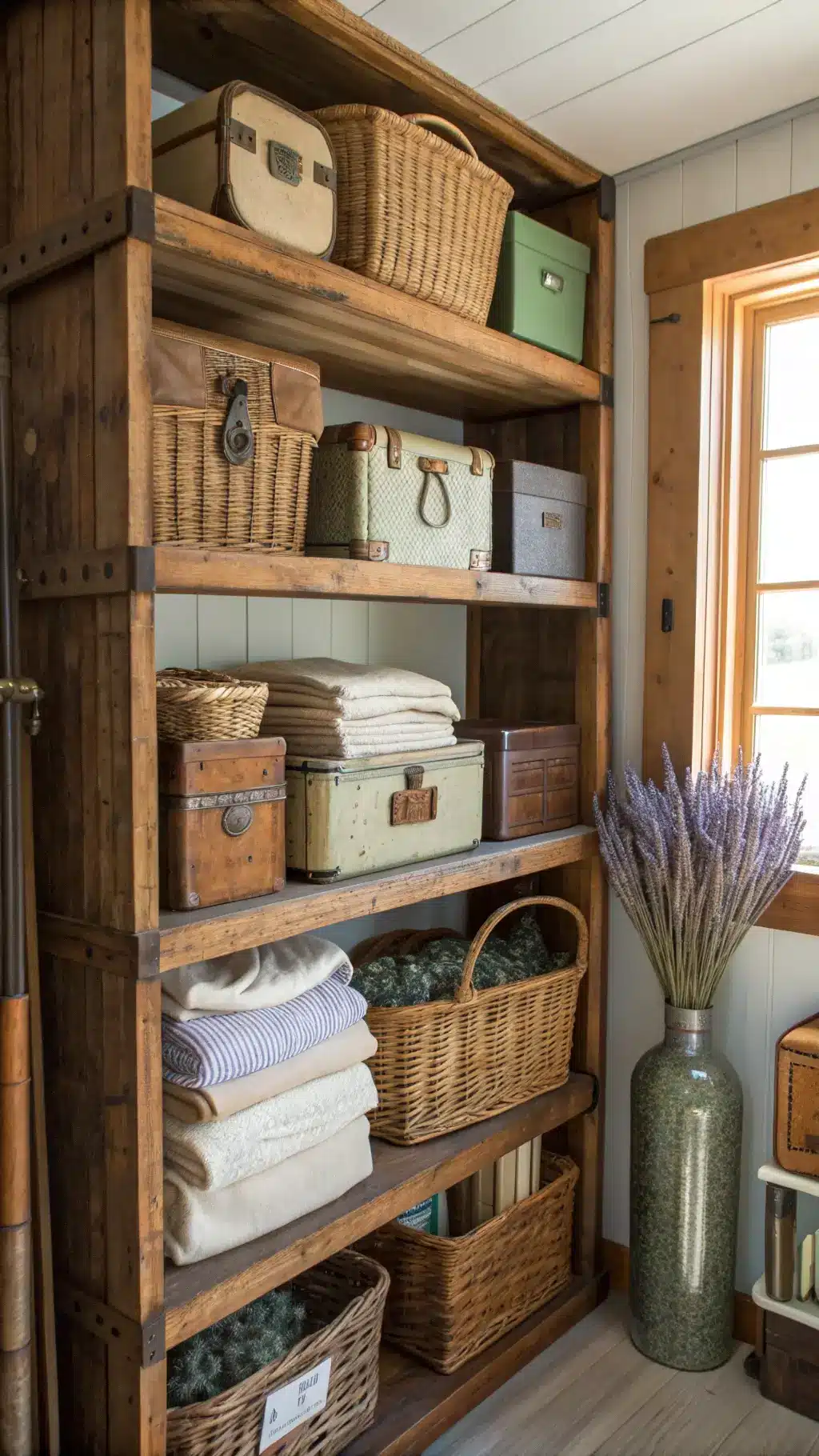
💡 Steal This Look
- Paint Color: Behr Swiss Coffee 12
- Furniture: Vintage spindle rocking chair with worn wood finish, antique wooden dresser with ceramic knobs converted to changing station, woven wicker storage baskets
- Lighting: Brass adjustable wall sconce with fabric shade, rattan pendant with warm Edison bulb
- Materials: Unbleached linen, hand-crocheted cotton, raw wool, distressed pine, dried lavender and wheat stems, matte ceramic
There’s something deeply comforting about walking into a nursery that feels like it existed long before your baby arrived—those inherited textures and timeworn pieces carry a warmth that brand-new furniture simply cannot replicate.
Budget-Friendly Hacks
Not everyone’s got a designer budget, and that’s totally okay! Here’s how to get the look without breaking the bank:
- Thrift store hunting
- DIY paint projects
- Repurpose family heirlooms
- Craft your own decor
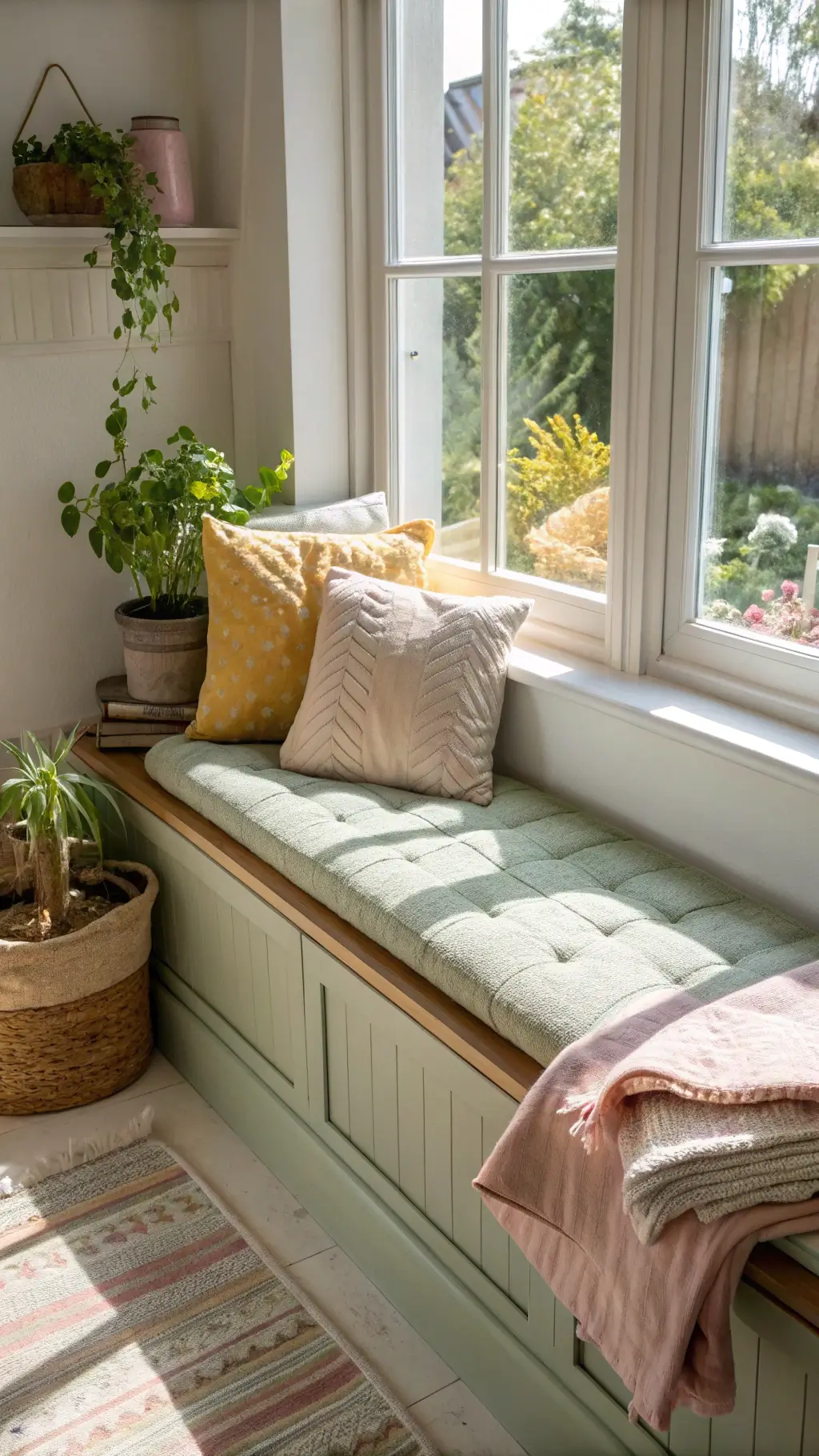
Seasonal Refresh Ideas
- Spring: Fresh flower garlands
- Autumn: Dried leaf mobiles
- Winter: Soft evergreen accents
★ Steal This Look
- Paint Color: Valspar Garden Party 5002-5B
- Furniture: Vintage spindle crib, weathered pine changing table, wicker rocking chair with handmade cushion
- Lighting: DIY mason jar pendant cluster with warm Edison bulbs, clip-on book lamp with floral fabric shade
- Materials: Chalk-finished furniture, hand-loomed cotton textiles, pressed wildflowers in thrifted frames, foraged branch mobiles
Some of my favorite nursery moments come from the stories behind each piece—the quilt my grandmother made, the cradle my father slept in, the wildflowers my partner pressed on our first hike together. Cottagecore isn’t about perfection; it’s about intention.
Common Mistakes to Avoid
- ❌ Don’t overcrowd the space
- ❌ Avoid super bright, harsh colors
- ❌ Skip plastic, mass-produced decor
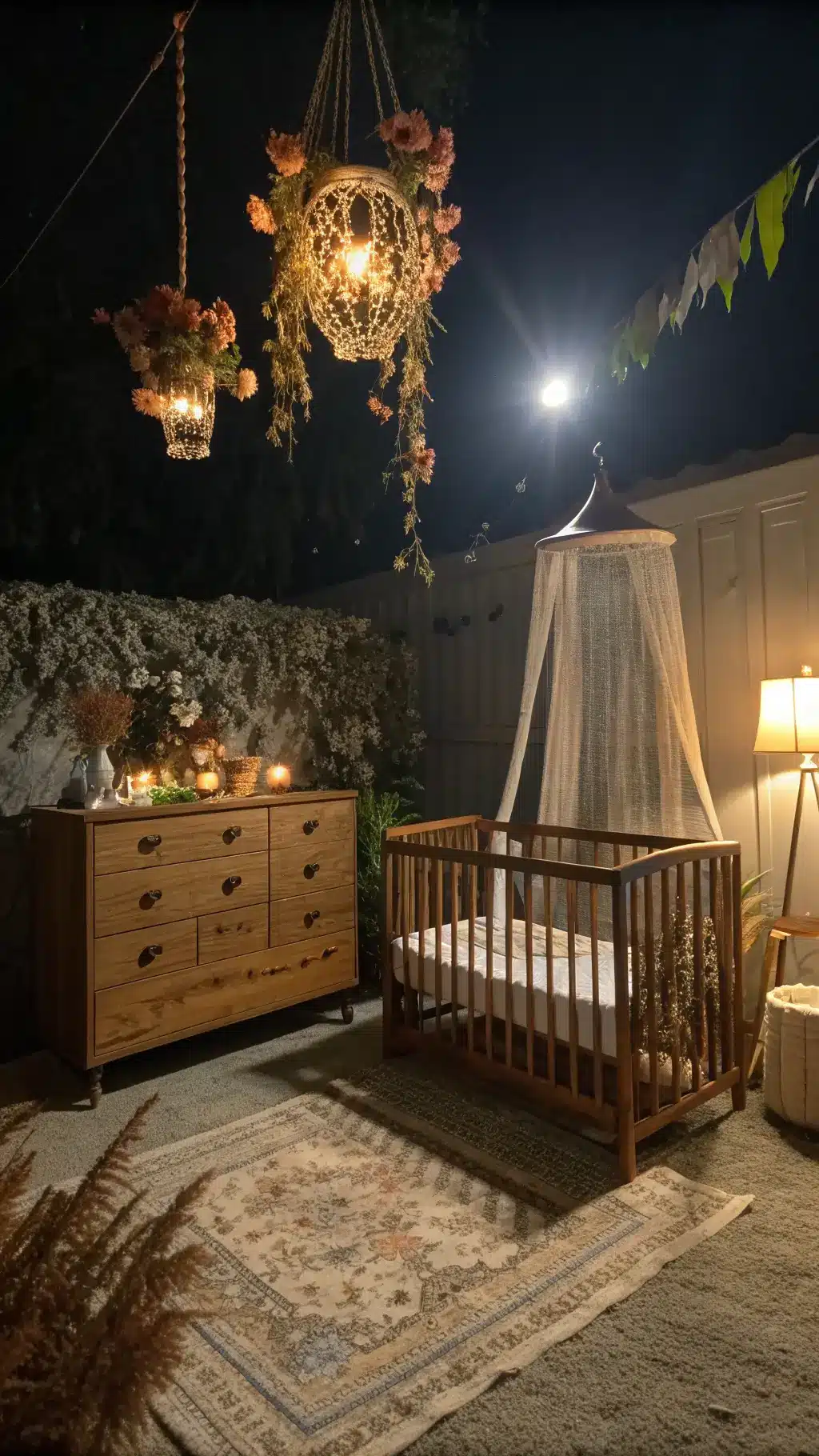
🎨 Steal This Look
- Paint Color: PPG Whispering Wheat PPG1098-3
- Furniture: vintage spindle crib with turned wood details, antique pine changing table with porcelain knobs
- Lighting: brass adjustable wall sconce with fabric bell shade
- Materials: unbleached linen, raw cotton, weathered oak, hand-thrown ceramic, pressed botanicals
I always tell parents that the most magical cottagecore nurseries feel like they’ve been waiting for this baby for generations, not assembled overnight from a single shopping cart—your grandmother’s mended quilt matters more than any trending rattle set.
Final Pro Tips
- Natural light is your bestie
- Layer textures like a fashion pro
- Let each piece tell a story
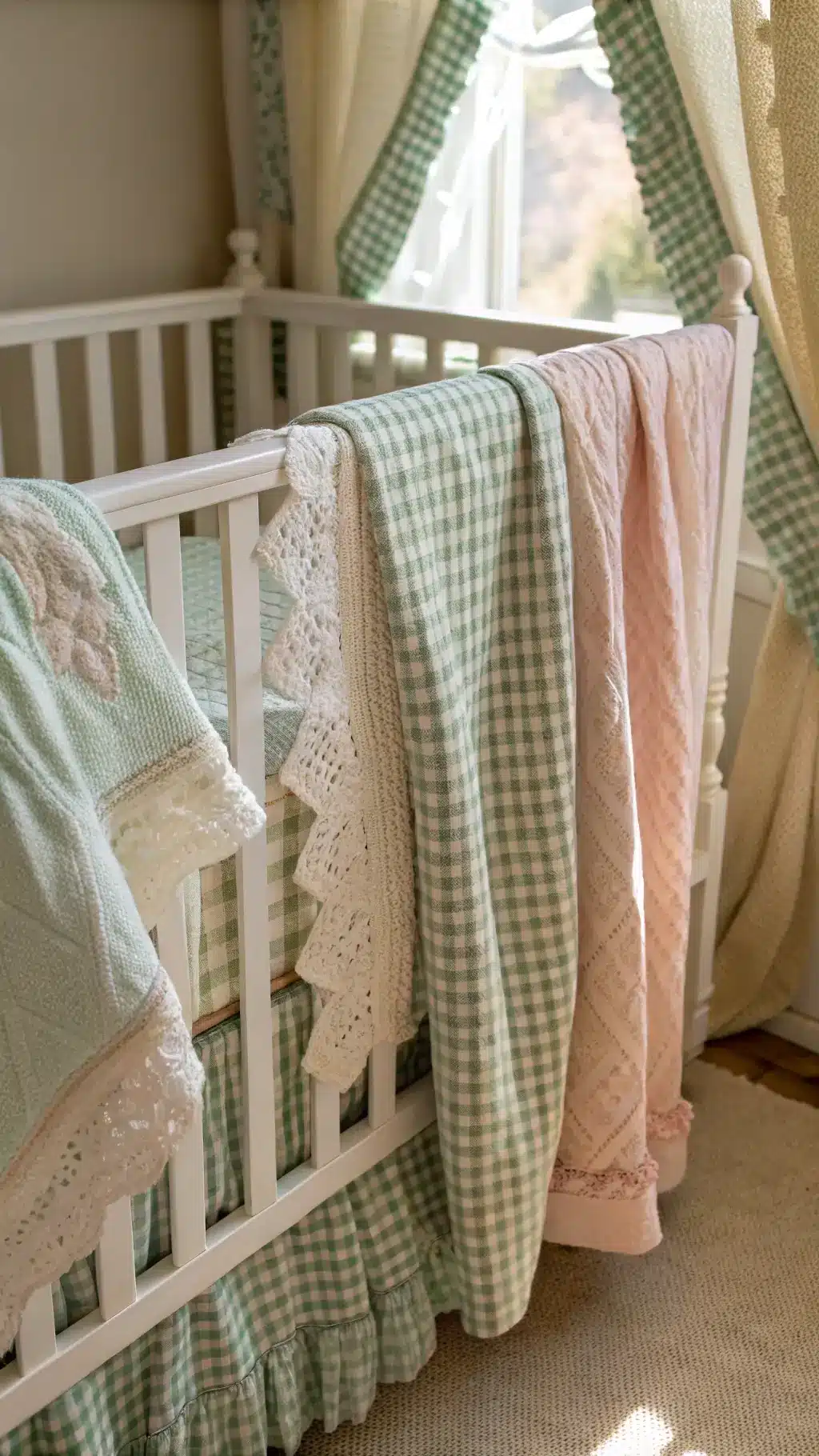
🖼 Steal This Look
- Paint Color: Dunn-Edwards Whisper White DEW 340
- Furniture: vintage spindle crib with hand-turned details, weathered pine changing table with ceramic knobs, woven rush bassinet
- Lighting: linen drum pendant with brass chain, small brass pharmacy sconce with milk glass shade
- Materials: unbleached linen, raw cotton, aged brass, hand-thrown ceramics, foraged birch branches, hand-loomed wool
There’s something deeply comforting about a nursery that feels like it grew organically over generations—each scratch on the crib rail and faded quilt tells the story of babies past and those yet to come.
Your Cottagecore Nursery Checklist
- [ ] Soft color palette
- [ ] Vintage wooden furniture
- [ ] Natural textiles
- [ ] Handmade touches
- [ ] Personal, meaningful decor
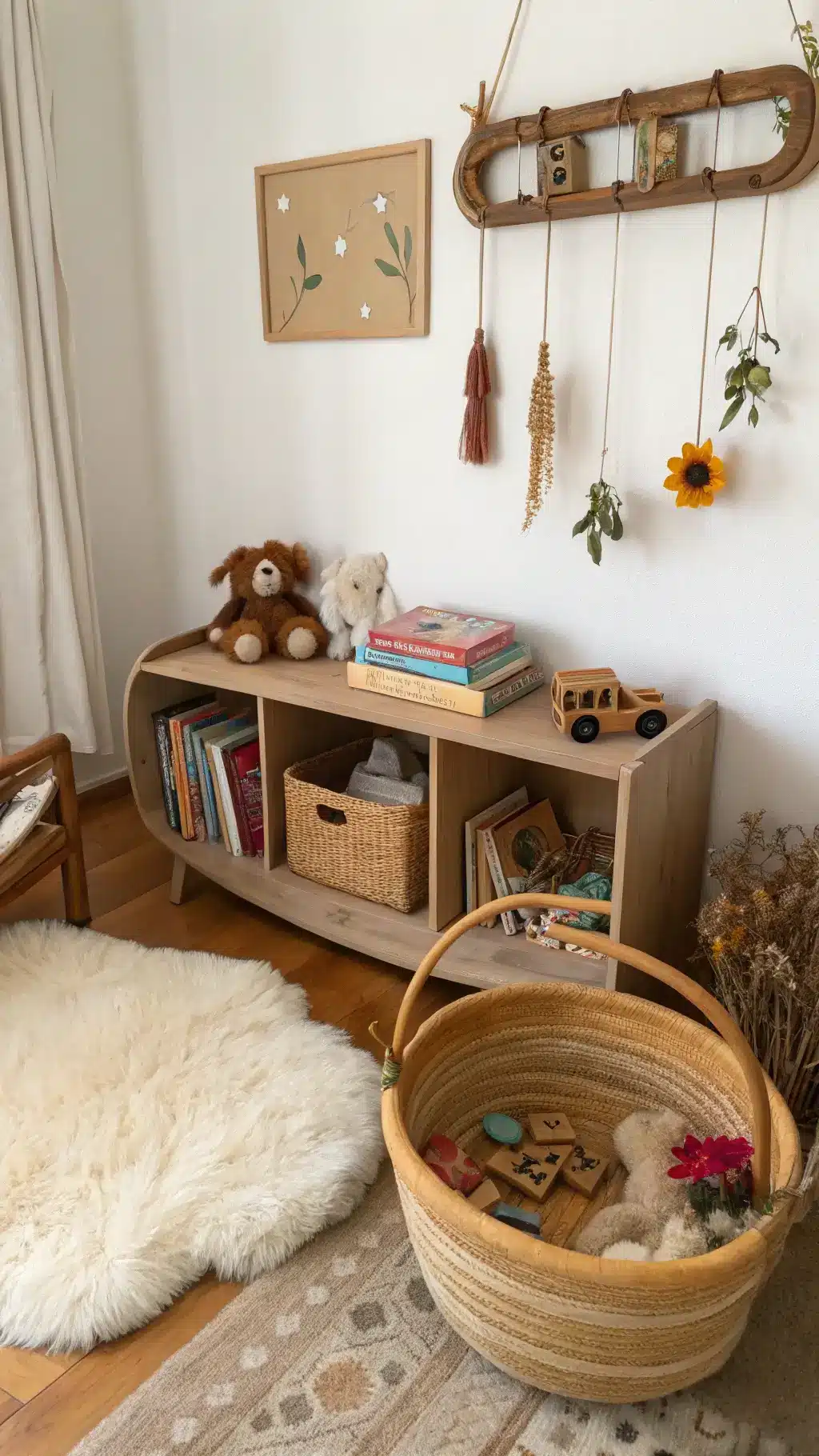
🖼 Steal This Look
- Paint Color: Clare Paint Fresh Kicks 0012
- Furniture: antique pine changing table with turned legs, spindle-back rocking chair, weathered oak crib with arched headboard
- Lighting: brass adjustable wall sconce with fabric shade, rattan pendant with warm Edison bulb
- Materials: unbleached linen, raw cotton, hand-thrown ceramic, reclaimed barn wood, dried lavender bundles, pressed botanicals
There’s something deeply comforting about rocking your baby in a chair that held another generation, surrounded by fabrics that will soften with every wash—these small, slow details become the backdrop of your family’s earliest memories.
Real Talk: It’s About Feeling, Not Perfection
Your nursery doesn’t need to look like a magazine spread. It needs to feel like home—warm, loving, and full of stories waiting to be told.
Pro Hack: Take lots of photos. These memories? Priceless.
Ready to transform that nursery into a cottagecore wonderland? Let’s do this! 🌿✨
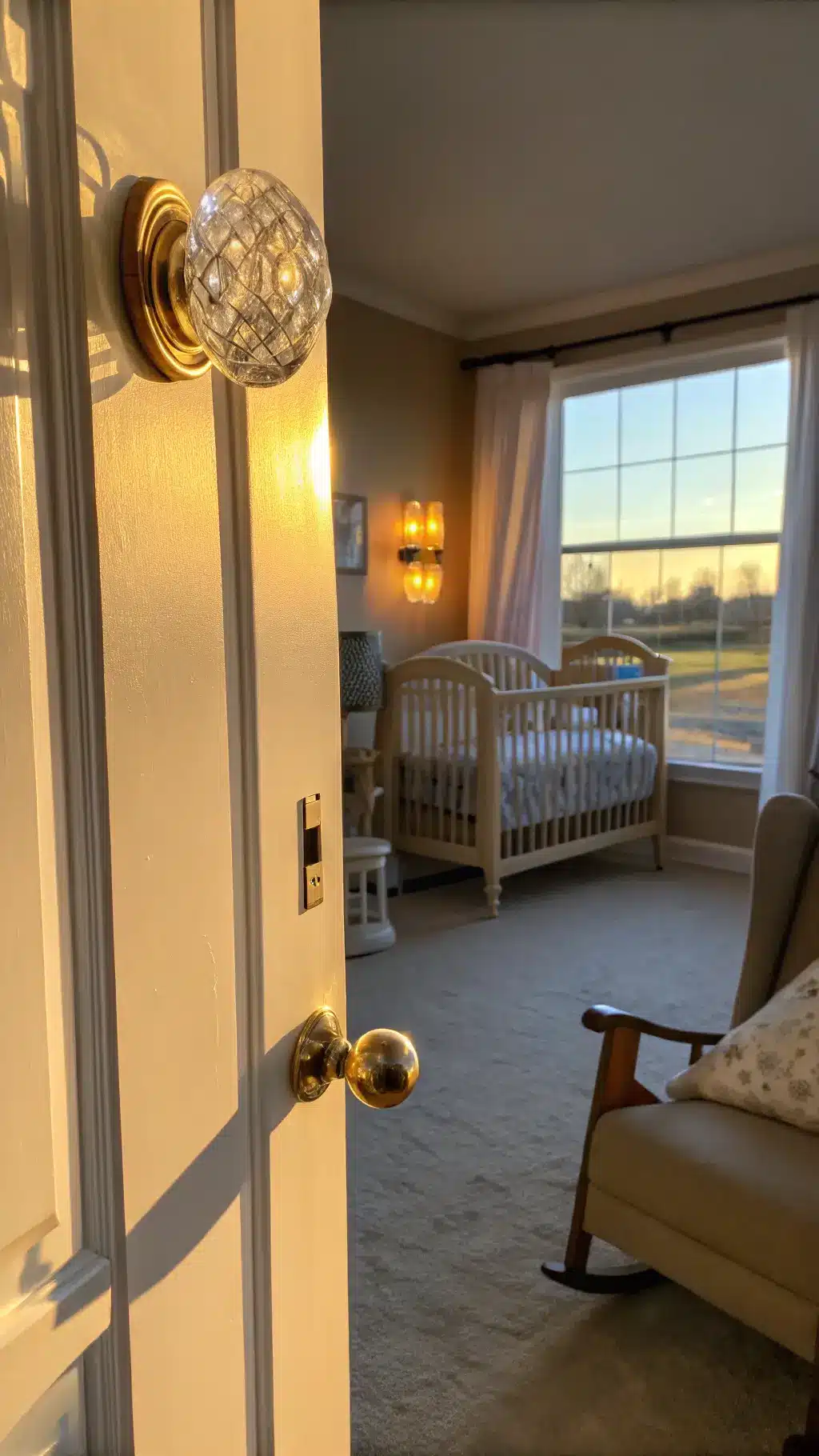
🎨 Steal This Look
- Paint Color: Fine Paints of Europe Hollandlac Brilliant Warm Ivory 1001
- Furniture: vintage spindle crib with turned wood details, distressed whitewashed changing table, antique pine rocking chair with original patina
- Lighting: small brass wall sconce with frosted glass shade, or a simple linen drum pendant with visible brass hardware
- Materials: unbleached linen, raw cotton, weathered pine, hand-thrown ceramic, foraged dried botanicals, vintage quilted textiles
The most magical nurseries I’ve wandered into always had that slightly rumpled, tea-stained quality—like the room itself had been waiting generations for this particular baby.