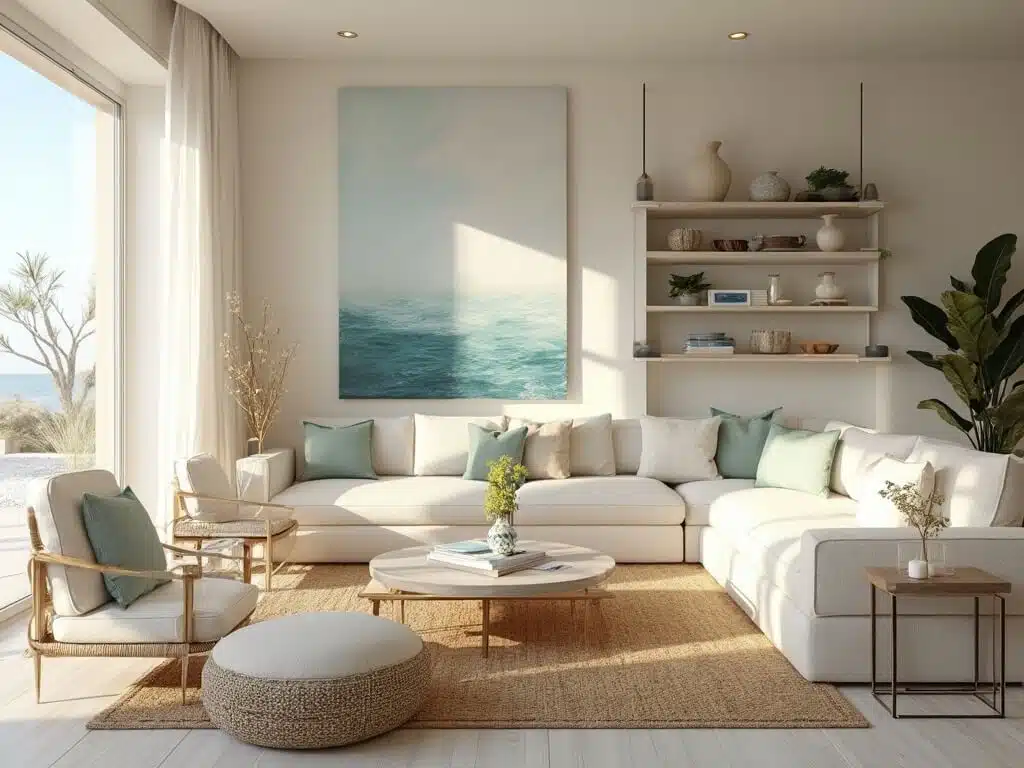
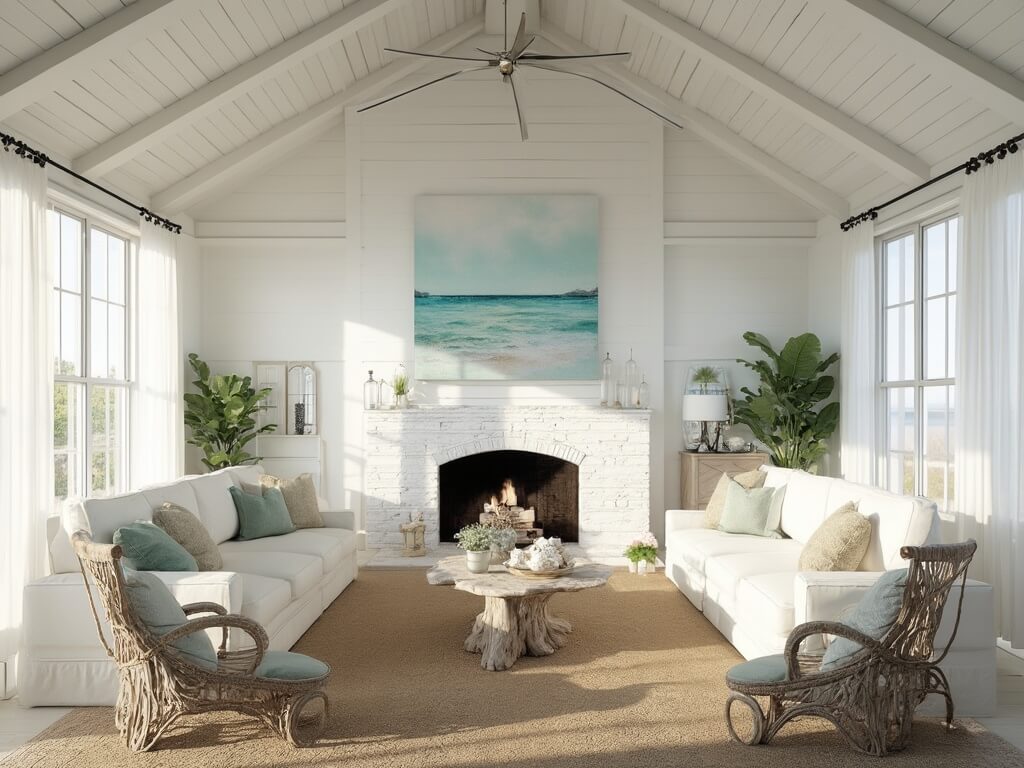
Hey there, kitchen enthusiasts! Let’s dive into the world of sage green cabinets – the design trend that’s taking kitchens from blah to breathtaking.
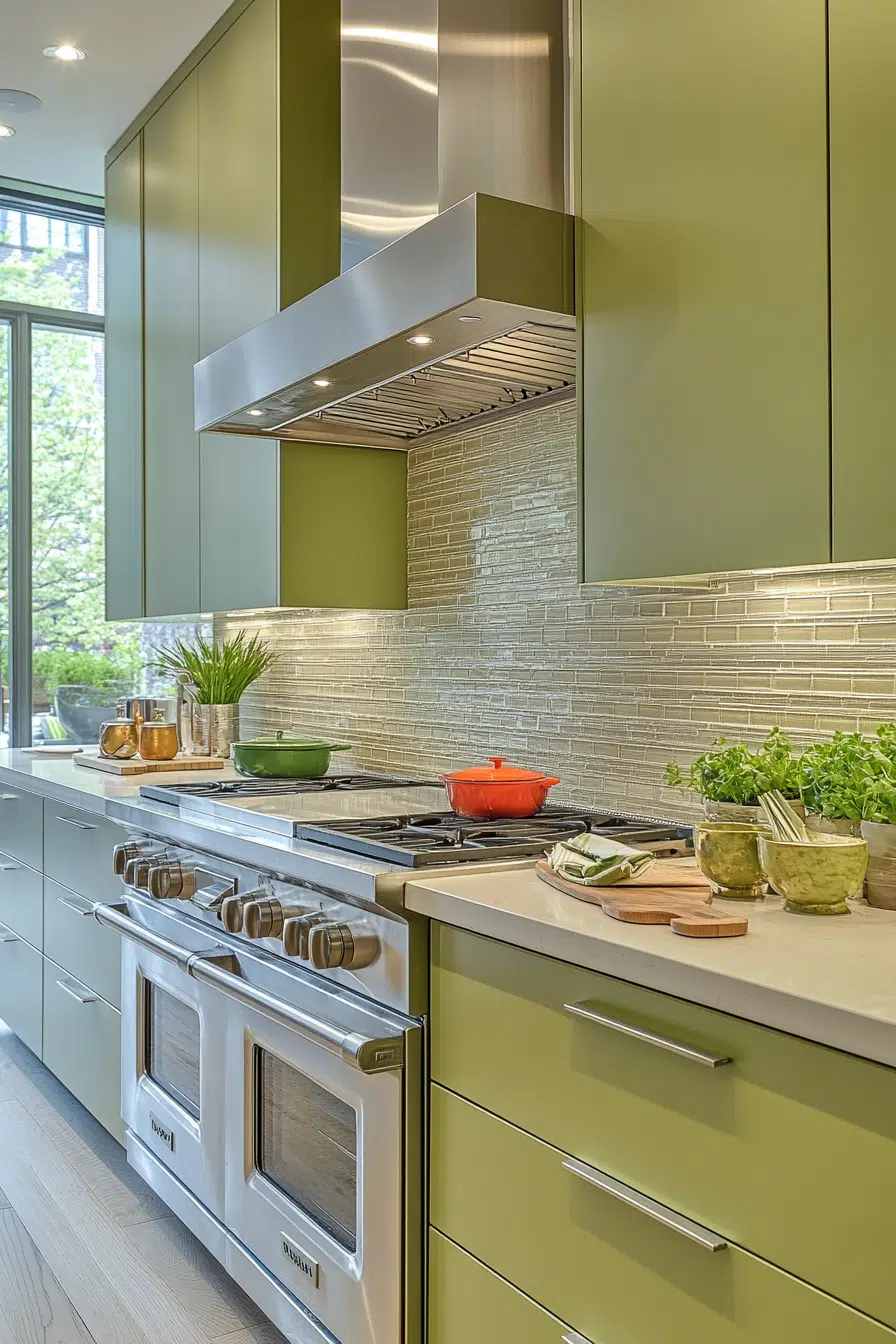
✎ Steal This Look
- Paint Color: Sherwin-Williams Sage SW 2861
- Furniture: Natural oak dining table with turned legs, woven rush seat bar stools, open shelving with brass brackets, vintage-inspired kitchen island with butcher block top
- Lighting: Schoolhouse glass pendant lights with aged brass hardware, 12-inch diameter, hung 30-36 inches above island
- Materials: Unlacquered brass cabinet hardware, honed Carrara marble or quartz countertops with subtle veining, hand-glazed ceramic backsplash tile in creamy white, natural linen cafe curtains
I’ve watched sage green transform dozens of kitchens, and the magic happens when you treat it like a neutral rather than a statement—let it recede so your brass hardware and natural wood become the stars.
Why Sage Green? Let’s Get Real
Imagine walking into a kitchen that feels like a deep breath of fresh mountain air. That’s the magic of sage green cabinets. They’re not just a color – they’re a vibe, a mood, a total game-changer for your cooking space.
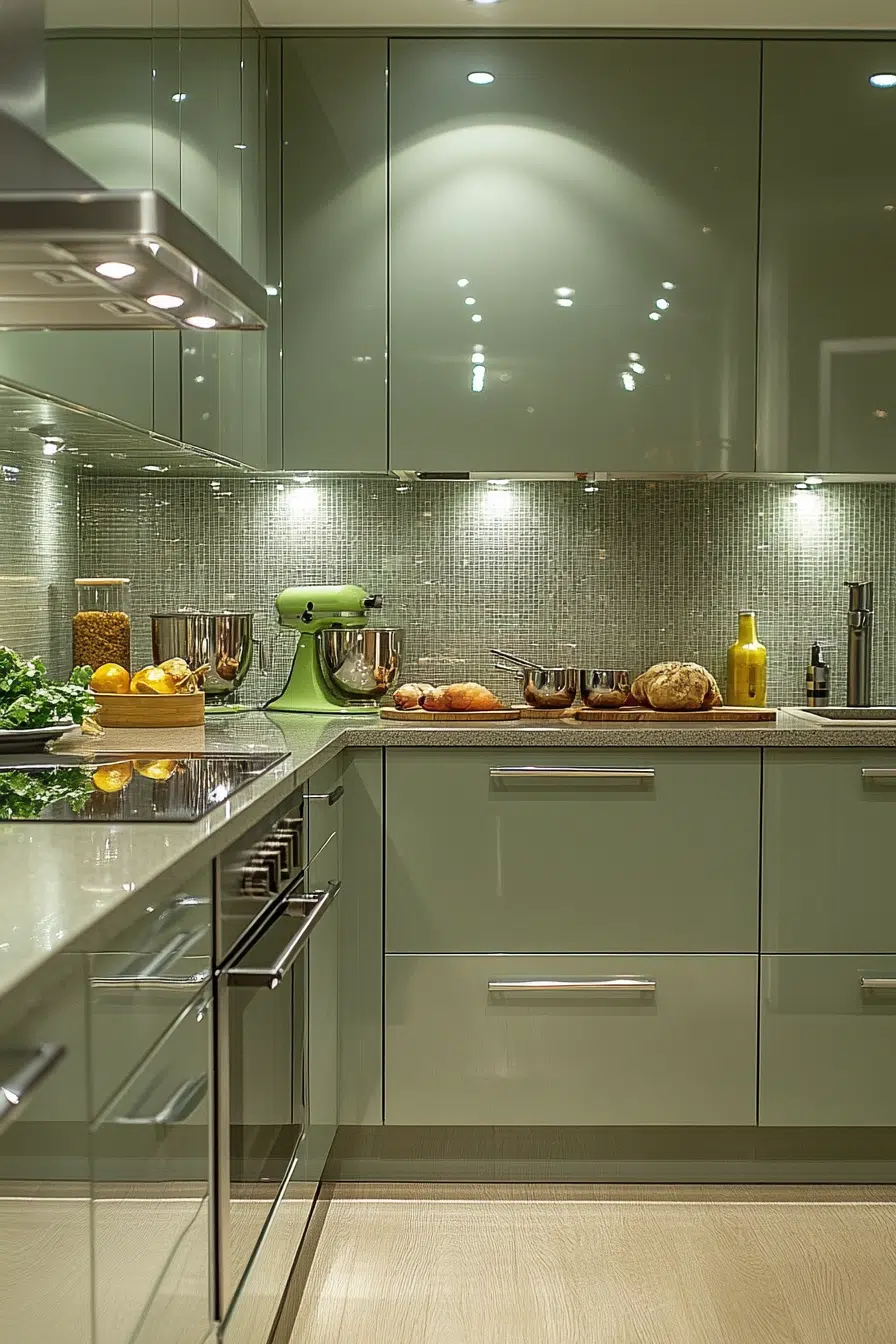
Quick Wins for Sage Green Success
Instant Transformation Toolkit:
- DIY Paint Project: $300-$800
- Pro Makeover: $3,000-$10,000
- Time Investment: 1-2 days (or longer for full remodel)
- Skill Level: Beginner to intermediate
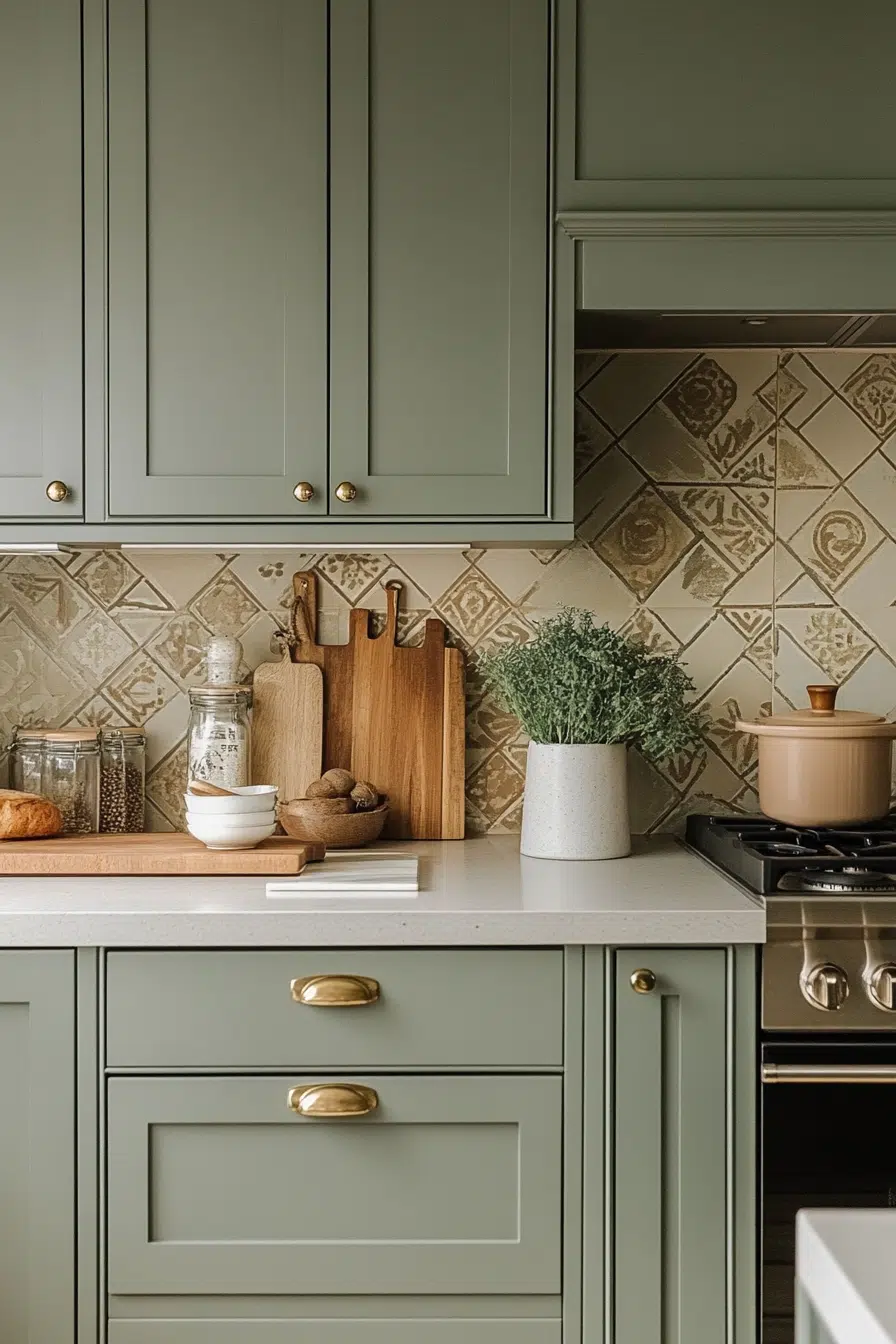
✎ Steal This Look
- Paint Color: Benjamin Moore Sage Tint 458 for cabinets, paired with Benjamin Moore White Dove OC-17 for walls and ceilings to create that airy mountain-fresh contrast
- Furniture: warm natural oak or walnut dining table with spindle-back chairs, open shelving in bleached wood tones, vintage-inspired brass bar stools with leather seats
- Lighting: oversized woven rattan pendant over the island, aged brass sconces flanking open shelving, under-cabinet LED strips for task lighting
- Materials: honed Carrara marble or quartz countertops with soft grey veining, unlacquered brass hardware that develops patina, hand-zellige tile backsplash in creamy white, raw linen cafe curtains
I’ve watched too many homeowners fall in love with sage green on Pinterest only to panic when their sample reads ‘minty’ or ‘muddy’ in their actual space—this color rewards patience and strategic pairing with warm metallics.
The Color That Goes With Everything
Sage green is like that cool friend who gets along with everyone. It plays nice with:
- Warm whites
- Matte black hardware
- Natural wood tones
- Unlacquered brass accents
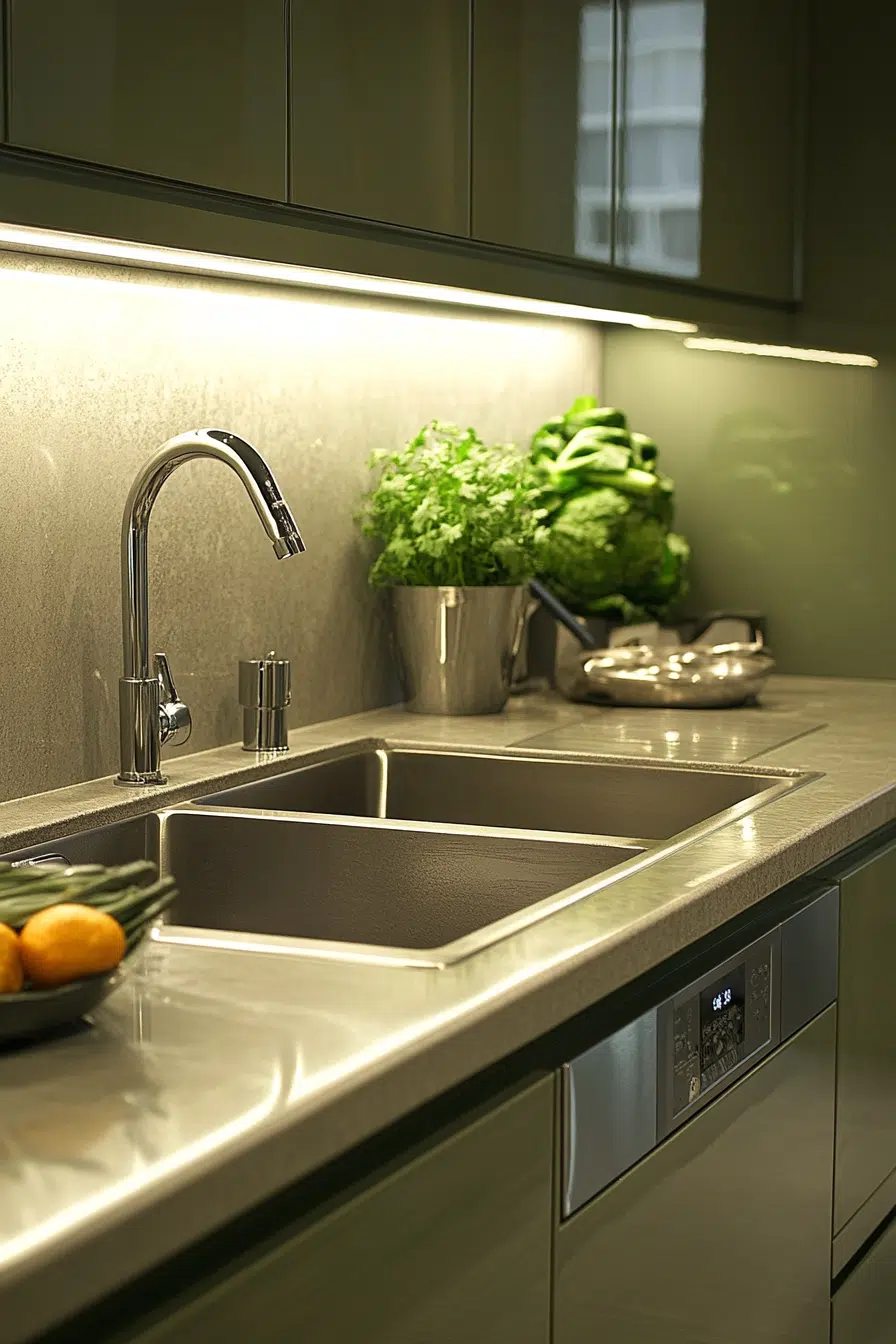
Pro Styling Hacks
Make Your Kitchen Pop:
- Layer textures like a boss
- Keep counters 75% clear
- Use odd-numbered decor groups
- Mix natural elements (wood, plants) with sleek surfaces
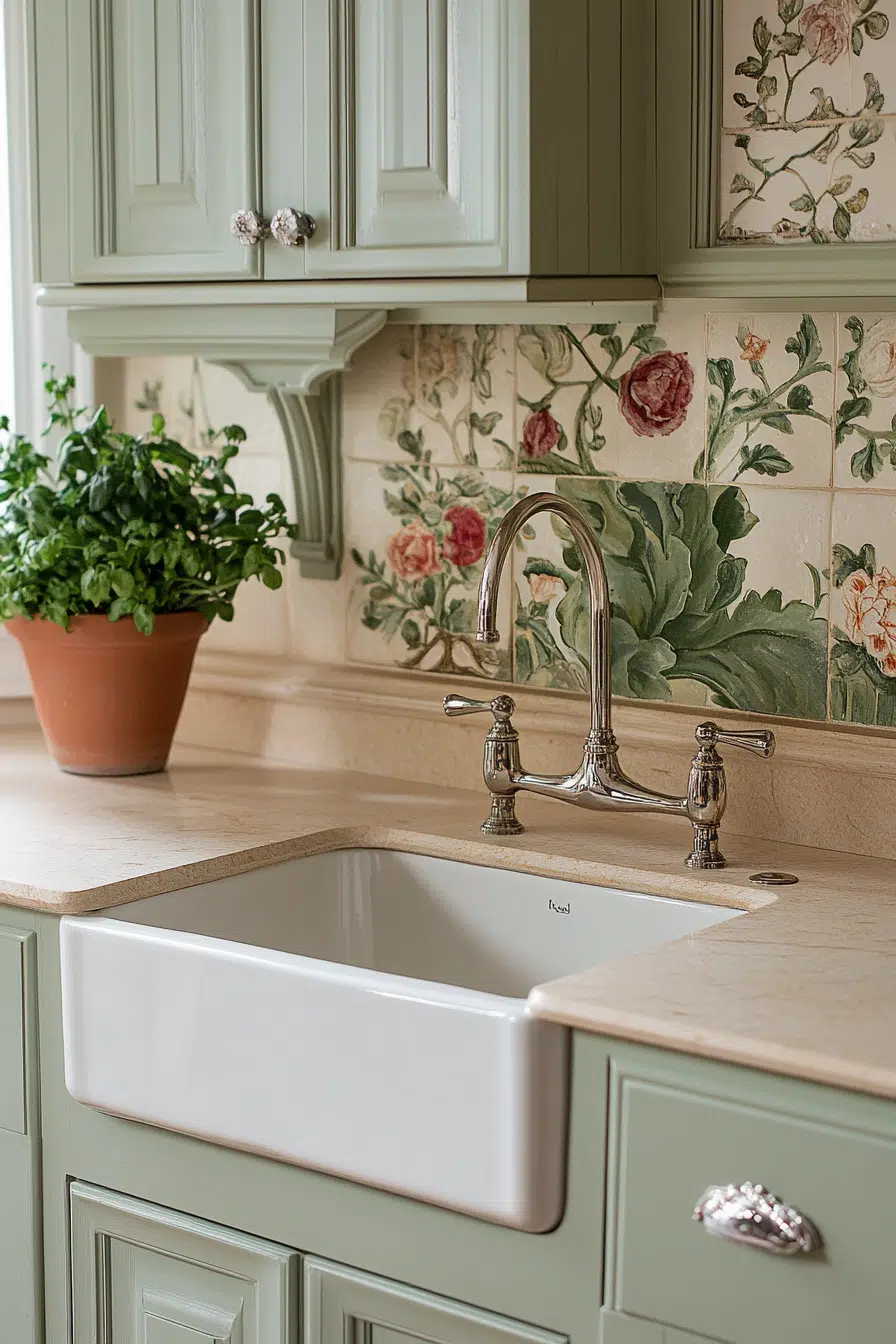
✎ Steal This Look
- Paint Color: Farrow & Ball Green Smoke 47
- Furniture: Shaker-style sage green base cabinets with natural oak open shelving, honed Carrara marble countertops, and a reclaimed wood kitchen island with waterfall edge
- Lighting: Matte black pendant lights with unlacquered brass interior shades over the island, plus under-cabinet LED strip lighting
- Materials: Unlacquered brass cabinet pulls and knobs, rattan bar stools, terracotta planter accents, and matte ceramic backsplash tiles in warm white
I’ve specified sage green in dozens of kitchens, and the magic happens when you let the cabinets be the quiet hero—this is a color that rewards restraint, not competing statement pieces.
Picking the Perfect Sage (Because Not All Greens Are Created Equal)
Top Sage Shades to Obsess Over:
- Benjamin Moore October Mist (super trendy!)
- Saybrook Sage (classic vibes)
- Oil Cloth (deep and dramatic)
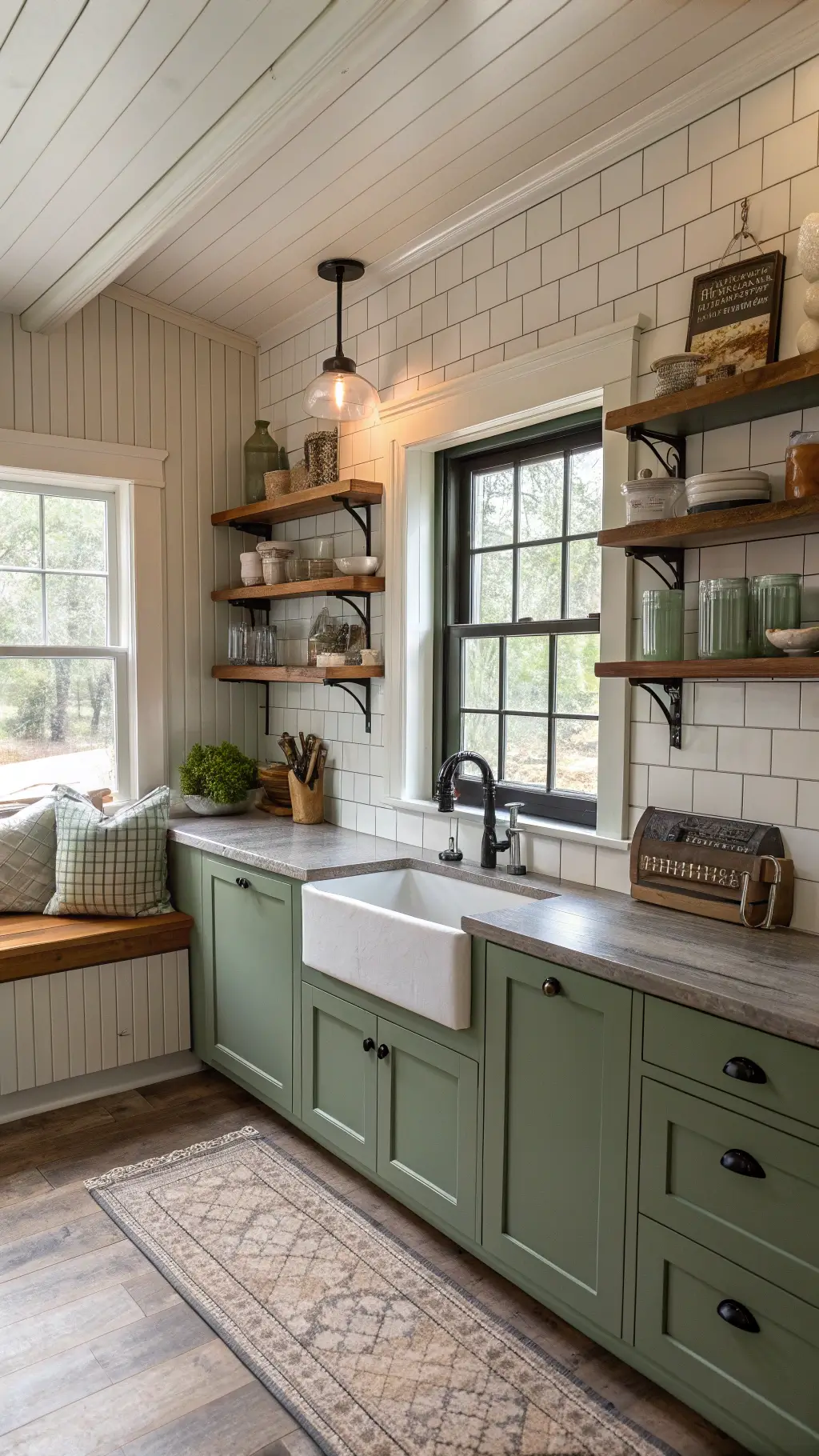
Rookie Mistakes to Avoid
- ❌ Don’t: Overcrowd your counters
- ❌ Don’t: Ignore lighting
- ❌ Don’t: Forget about texture balance
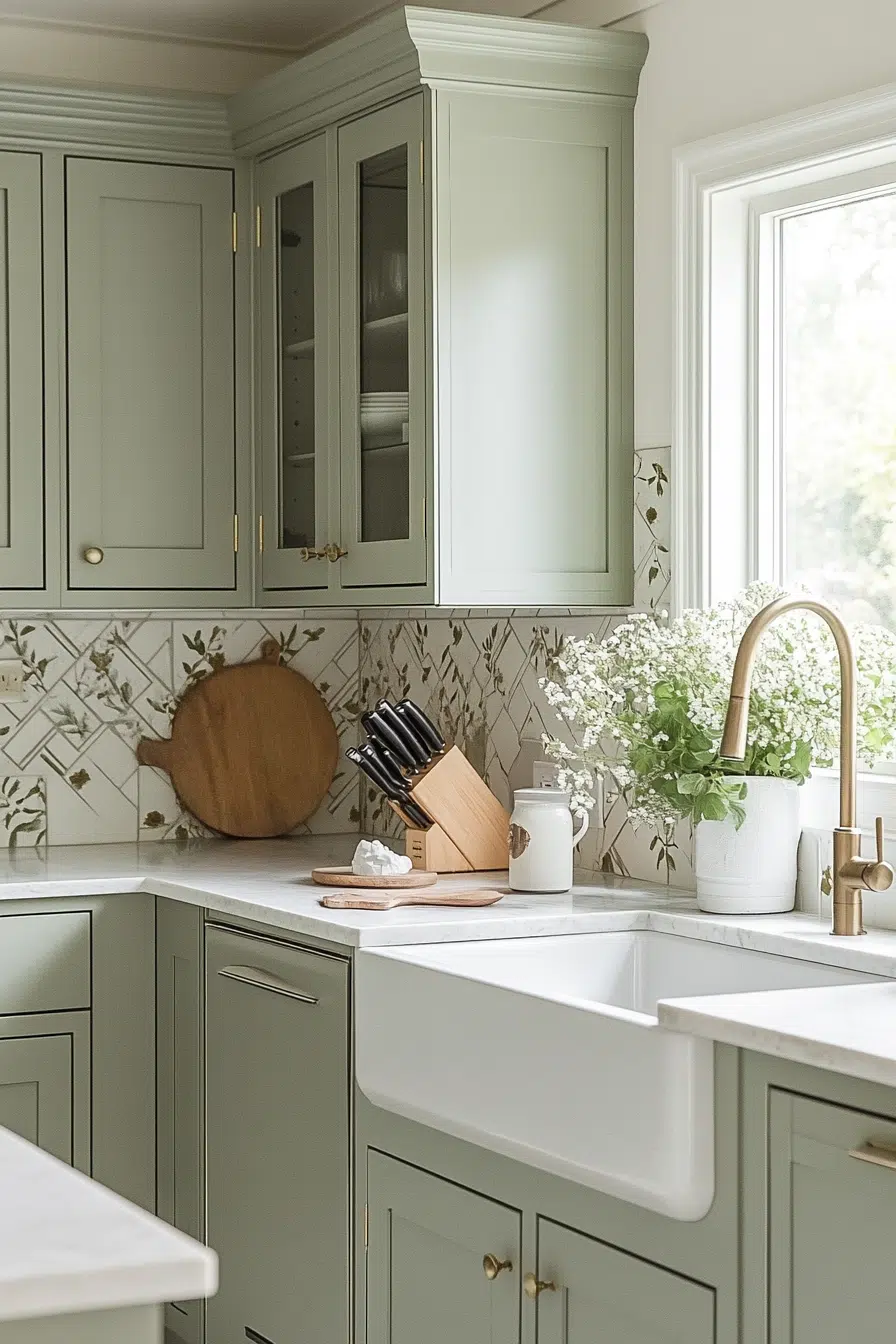
🎨 Steal This Look
- Paint Color: Behr Nature’s Gift N370-3
- Furniture: Natural oak kitchen island with waterfall edge, open shelving in white oak with integrated brass rail, vintage-inspired apron-front sink cabinet in matching sage
- Lighting: Large-scale woven rattan pendant over island, brass picture lights above open shelving, under-cabinet LED strips in warm 2700K
- Materials: Honed Calacatta Viola marble countertops, unlacquered brass hardware, zellige tile backsplash in creamy white, raw linen cafe curtains
I spent three weeks agonizing between five nearly-identical sage samples before realizing the one that looked ‘too muddy’ in the morning became absolutely magical by afternoon light—now I tell everyone to live with their swatches before committing.
Budget-Friendly Tips
- Start with painting existing cabinets
- Swap out hardware for instant refresh
- Add plants and natural elements for free style points

🖼 Steal This Look
- Paint Color: Valspar Sage Morsel 6008-4C
- Furniture: Refreshed existing cabinetry with matte black cup pulls and knobs, open wood shelving with natural grain visible
- Lighting: Simple brushed nickel pendant lights over island or sink area
- Materials: Matte painted cabinet finish, unlacquered brass or matte black hardware, butcher block or laminate countertops, terracotta pots, trailing pothos or herbs
There’s something deeply satisfying about transforming what you already own—I’ve seen $50 hardware swaps and a weekend of painting completely change how homeowners feel about cooking in their space.
The Secret Sauce: Personality
Your kitchen should tell a story. Sage green is like a blank canvas that lets YOUR personality shine through. Whether you’re going modern farmhouse or minimalist chic, this color adapts like a chameleon.
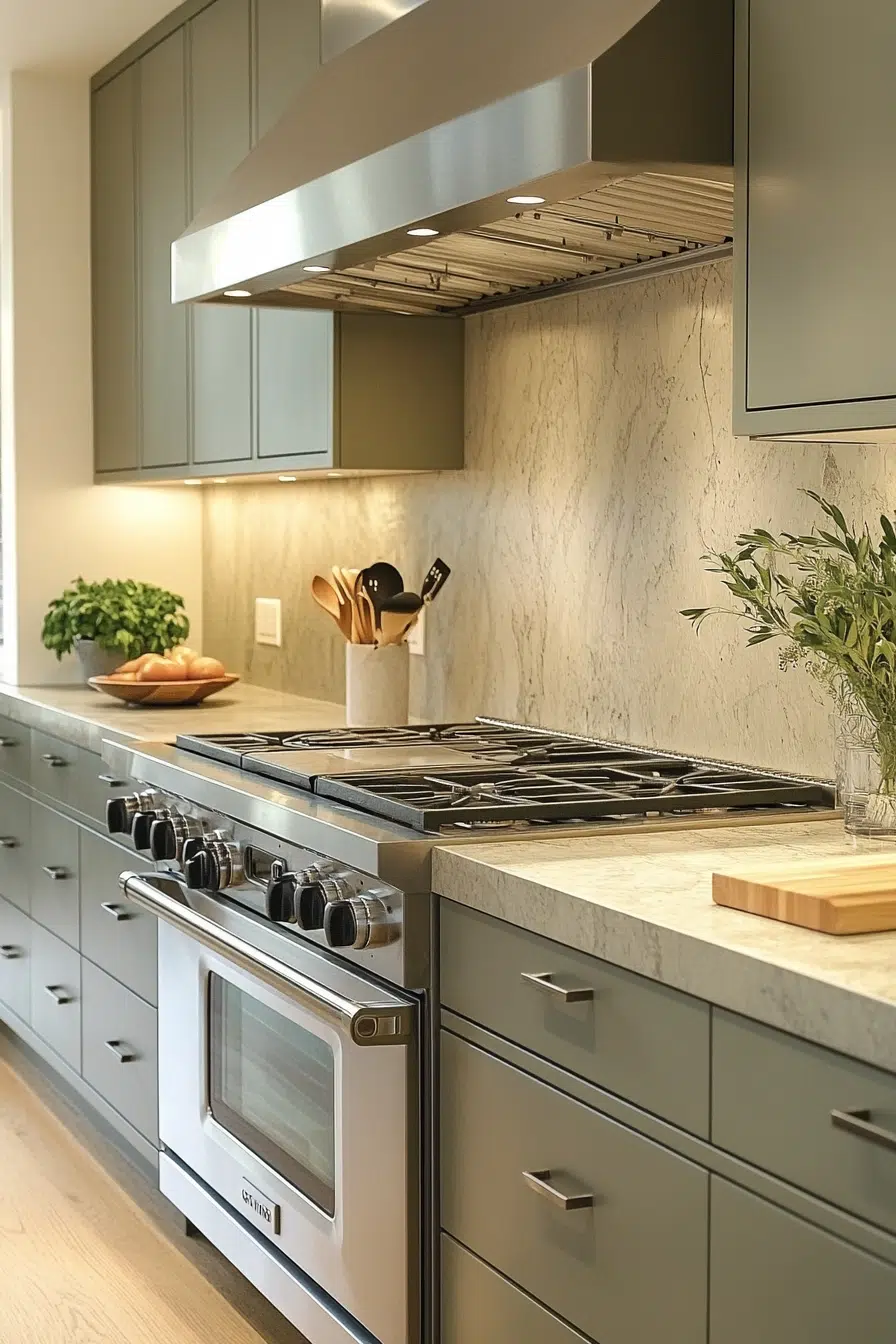
🖼 Steal This Look
- Paint Color: PPG Sage Wisdom PPG1125-5
- Furniture: Shaker-style sage green base cabinets with natural oak floating shelves, matte black bar stools with woven rush seats, vintage-inspired apron-front sink
- Lighting: Schoolhouse glass pendant lights with aged brass hardware, 12-inch diameter, hung 30-36 inches above island
- Materials: Unlacquered brass cabinet pulls, honed Carrara marble countertops, hand-glazed ceramic tile backsplash in cream, reclaimed wood open shelving
I always tell clients that sage green is the color of memory—herb gardens, worn leather journals, Sunday mornings—and your kitchen deserves to feel that lived-in and loved from day one.
Final Thoughts
Sage green cabinets aren’t just a trend – their a lifestyle choice. Your kitchen will thank you for bringing in this zen, nature-inspired color that makes cooking feel less like a chore and more like a joy.
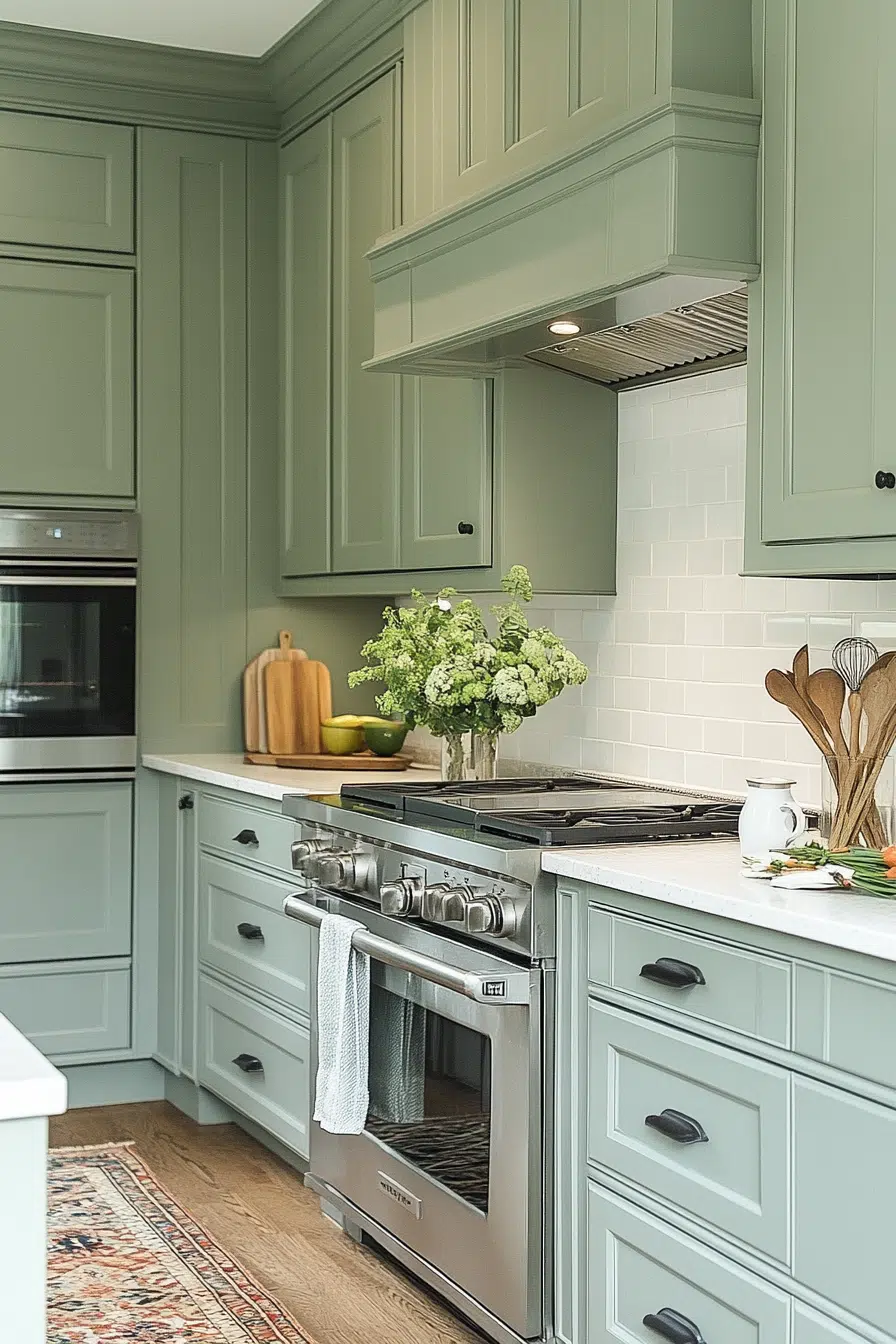
Quick Styling Cheat Sheet
- Hardware: Matte black or brushed brass
- Counters: White quartz or butcher block
- Accessories: Ceramic vases, soft linens
- Lighting: Glass pendants or natural wood fixtures
Search-Friendly Keywords
#SageGreenKitchen #KitchenDesign #HomeDecor #ColorTrends
Disclaimer: Your kitchen, your rules. Have fun and make it yours!