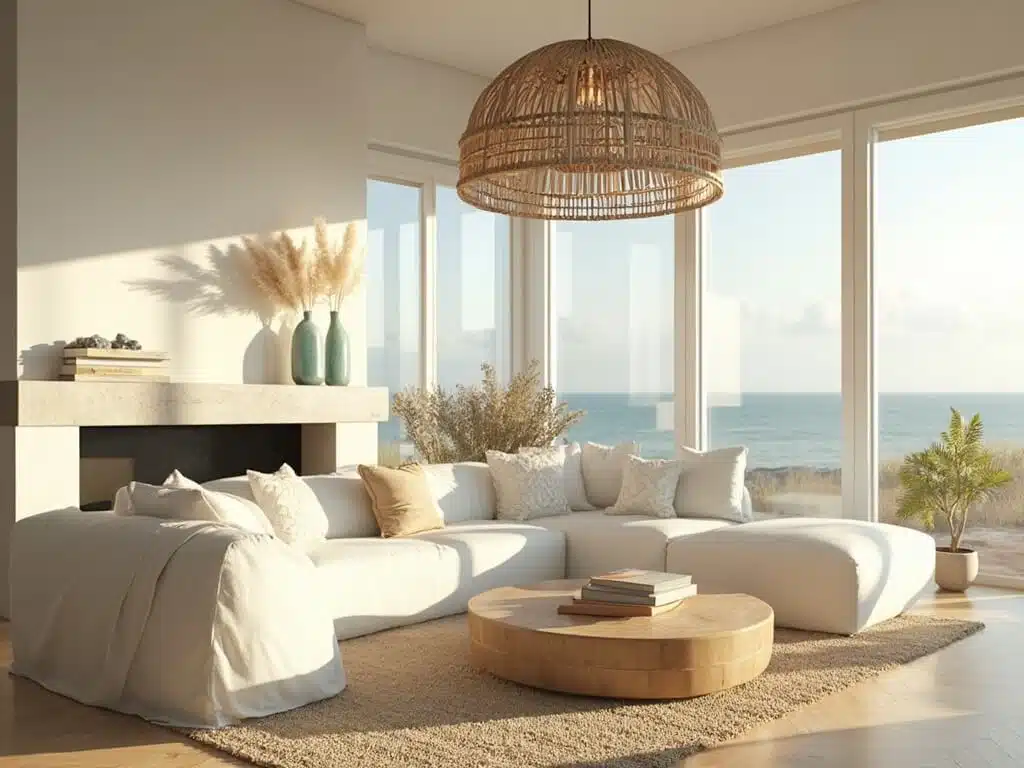
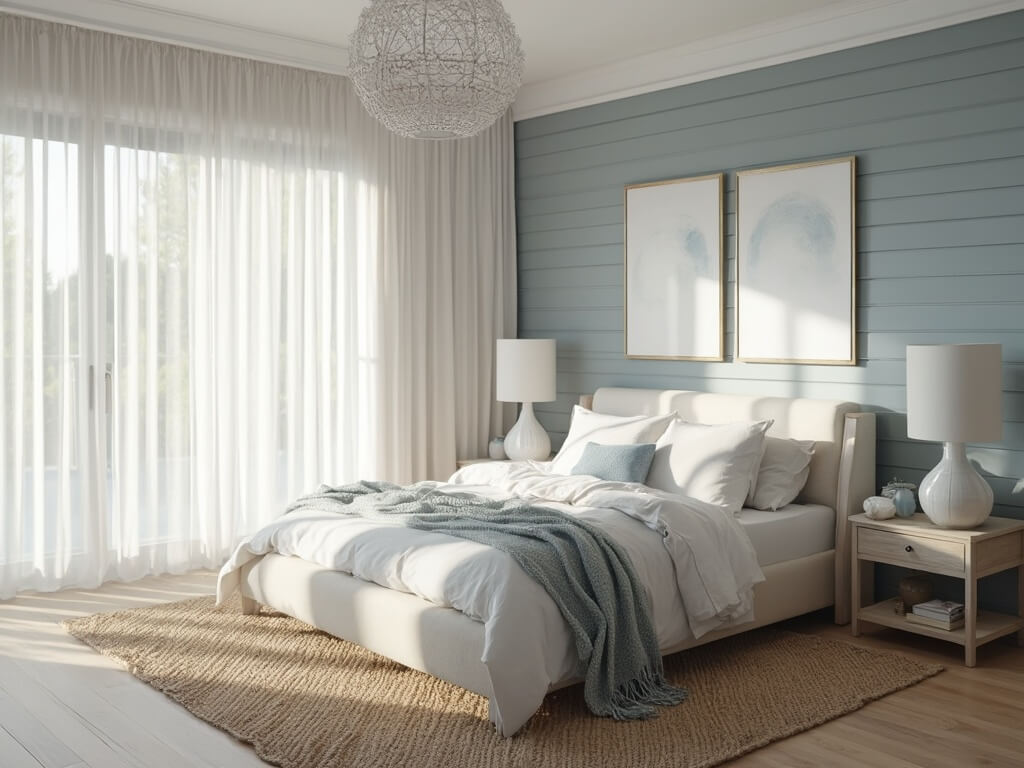
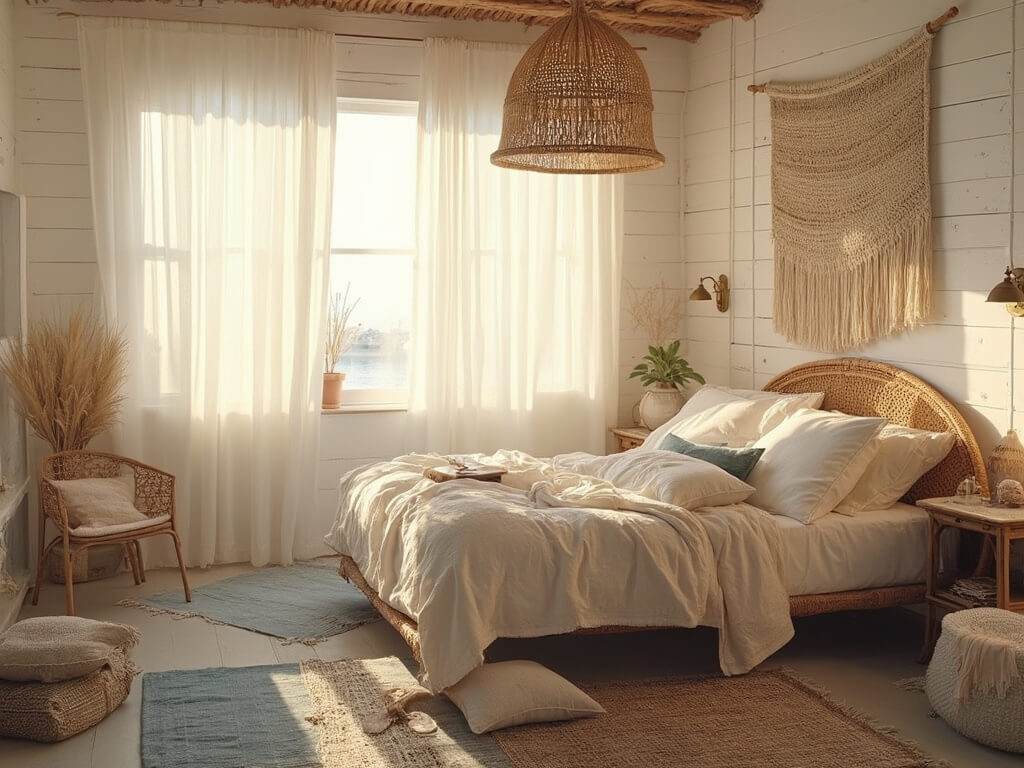
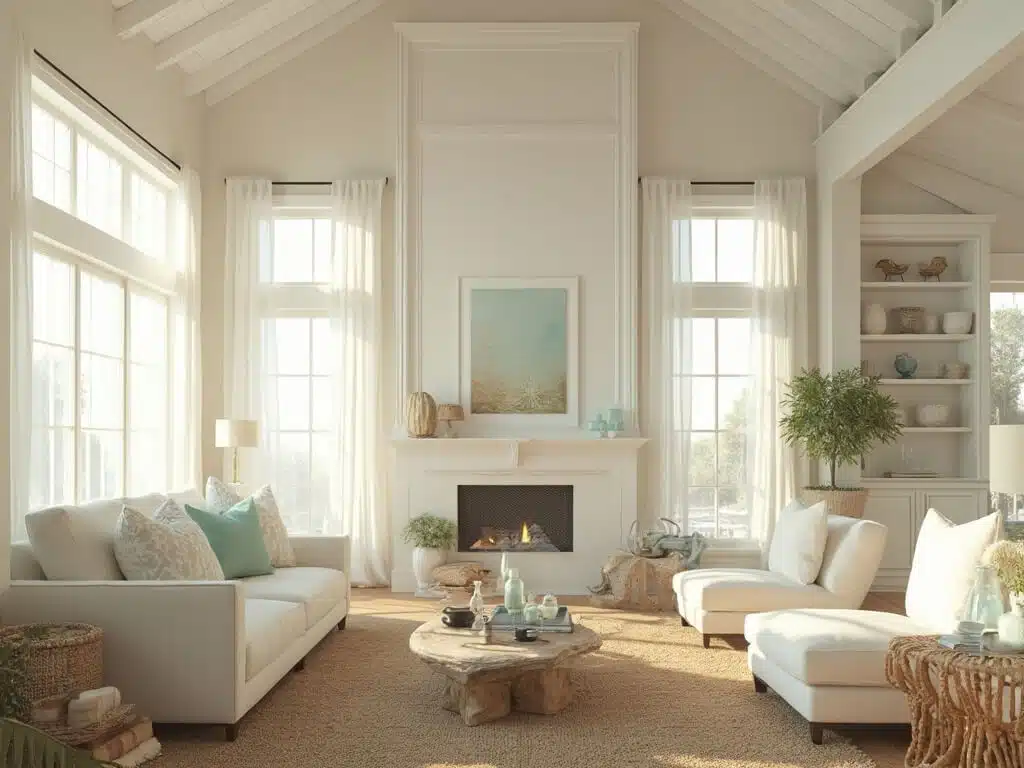
What Makes An Attic Loft So Freaking Special?
Here’s the deal with attic lofts:
They’re basically the lovechild of a traditional attic and a modern loft space. You get all that generous square footage from a full attic (we’re talking the entire footprint of your house), but with the open, airy vibe of a loft design.
The main difference between regular attics and lofts is pretty straightforward:
- Regular attics = big enclosed spaces you access through a hatch, mostly used for storing stuff you forgot you owned
- Traditional lofts = smaller open areas that overlook your main living space, super trendy and urban-feeling
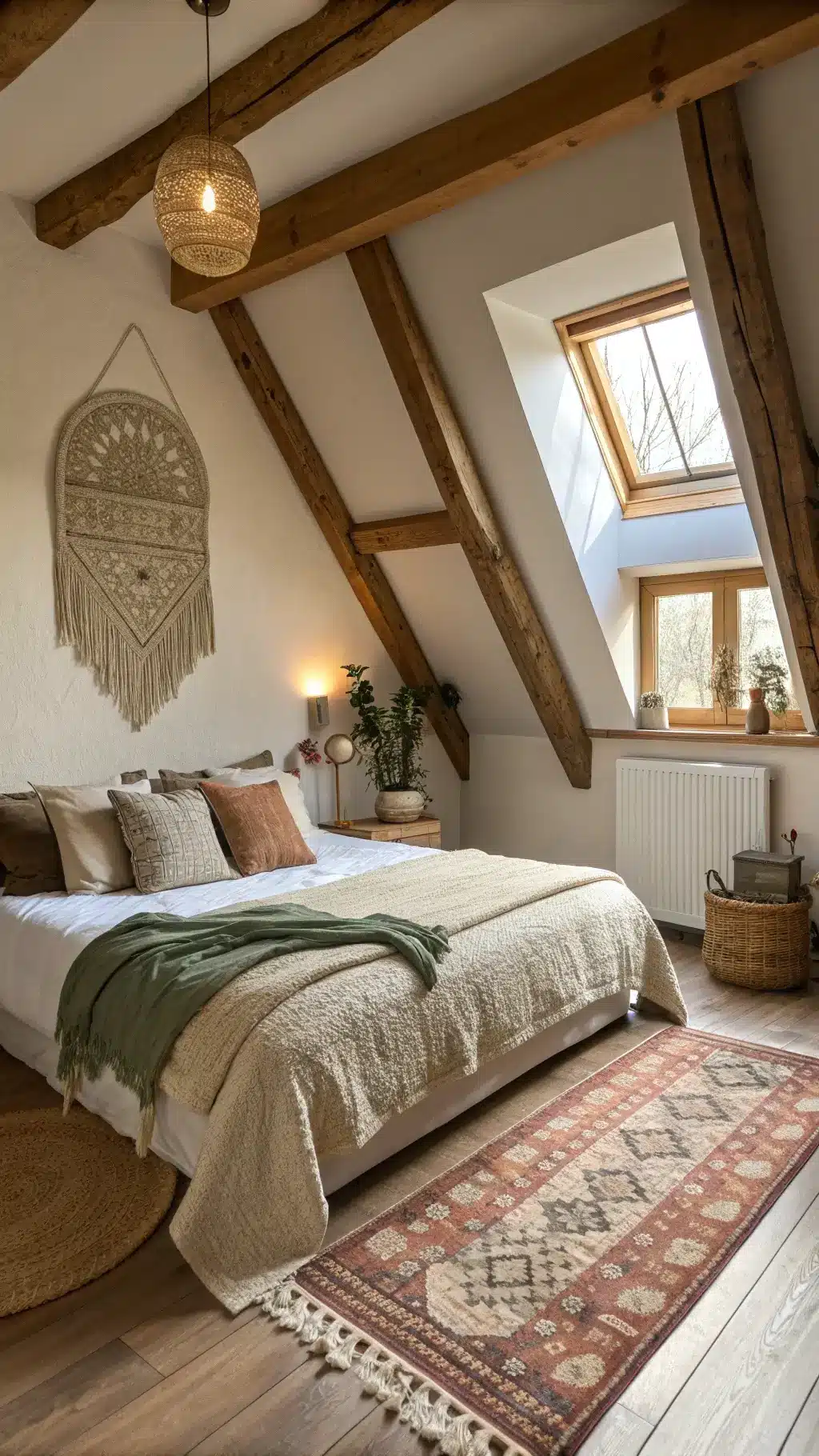
- Attic lofts = the best of both worlds with exposed beams, pitched roofs, and that awesome open feel
When I first looked at my attic space, all I saw was problems. The sloped ceilings felt claustrophobic, the lighting was terrible, and honestly it looked like a horror movie set. But those “problems” are actually what make attic lofts so dang charming.
🏠 Steal This Look
- Paint Color: Sherwin-Williams Alabaster SW 7008
- Furniture: low-profile platform bed with built-in storage drawers, mid-century modern credenza that tucks under sloped ceiling, floor cushions and poufs for flexible seating
- Lighting: exposed bulb pendant lights suspended from beam hooks, adjustable track lighting along ridge beam, wall-mounted swing arm sconces
- Materials: exposed rough-hewn beams, whitewashed pine shiplap, natural linen textiles, matte black metal accents, reclaimed wood flooring
There’s something almost rebellious about reclaiming the forgotten space under your roof—turning dusty storage into your favorite room feels like getting away with something.
Getting Started: The Real Talk On Time And Money
Quick Reality Check:
- Time needed: 2-4 weeks for basic setup, or 2-3 months if you’re going all-in
- Cost range: Anywhere from $4,800 to $80,000 (don’t panic, I’ll break this down)
- Space requirements: You’ll want at least 400 square feet up there
- Skill level: Some stuff you can DIY, but definitely call professionals for structural work
- Year-round appeal: Totally works every season if you insulate properly
The cost thing scared me at first too. But here’s what I learned—you can start small and build up. My first phase cost around $8,000, and I added more features over the next year as my budget allowed.
🎨 Steal This Look
- Paint Color: Benjamin Moore Simply White OC-117
- Furniture: Modular sectional with built-in storage, convertible sleeper sofa for multi-function use, nesting coffee tables that tuck away when space is tight
- Lighting: Low-profile flush mount LED fixtures for sloped ceilings, adjustable track lighting along beams, plug-in wall sconces to avoid ceiling wiring complications
- Materials: Engineered hardwood for stability in temperature fluctuations, rigid foam insulation boards, vapor barrier sheeting, reclaimed barn wood for accent walls to emphasize architectural character
That $8,000 first-phase number resonates—most of us have to build this dream in chapters, not chapters in a single weekend. The waiting actually helps you live in the space and understand what you really need versus what looked good in the Pinterest render.
The Style Options Are Actually Endless

This is where it gets really fun.
Attic lofts work with basically any design style you’re obsessed with right now:
- Rustic Farmhouse: Leave those beams exposed, add some reclaimed wood shelving, throw in vintage storage baskets, and boom—instant Joanna Gaines energy.
- Modern Minimalist: Paint everything crisp white, add sleek pendant lighting, keep furniture low and simple.
- Cozy Boho: Layer textures like crazy with macrame wall hangings, floor cushions, plants everywhere, and warm lighting.
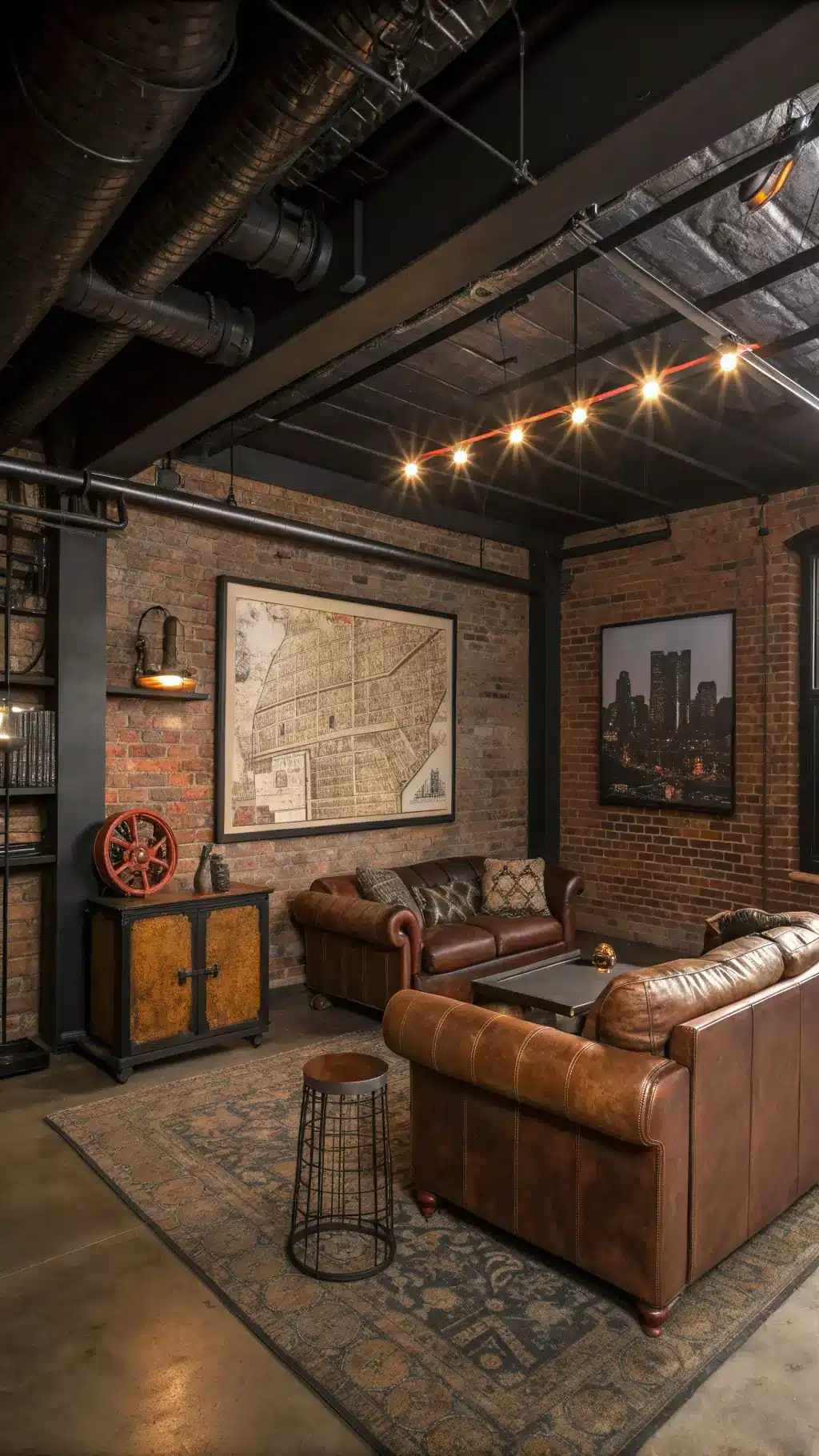
- Industrial Urban: Expose the ductwork, add metal accents, use Edison bulb fixtures.
🎨 Steal This Look
- Paint Color: Farrow & Ball All White 2005
- Furniture: Low-profile platform bed or floor mattress with simple wooden frame, modular cube storage, slim floating desk
- Lighting: Sleek black or brass pendant lights with clean geometric shapes, recessed LED spotlights
- Materials: Matte white walls, pale oak or ash wood, brushed metal accents, natural linen textiles, concrete or polished cement floors
There’s something almost meditative about stripping an attic back to its bones—those angled walls become architectural sculpture instead of obstacles when you let crisp white paint and clean lines do the talking.
Must-Have Elements That Make The Magic Happen
Lighting Is Everything (Seriously)
This was my biggest lesson learned. Attics are usually dark and cave-like, so you need to flood that space with light.
I installed two skylights (best decision ever—waking up to actual stars at night is unreal), added track lighting along the peak, and hung a statement chandelier in the main area. Natural light completely transforms the vibe from creepy attic to dreamy retreat.

Smart Storage Solutions
Those sloped ceilings create these weird dead spaces that seem useless, but they’re actually storage goldmines.
I built custom shelving units that fit perfectly under the eaves. You can also use rolling storage bins, install sliding cabinet doors, or get half-height closet systems specifically designed for angled spaces.
Texture Layering Is Your Secret Weapon
Hard surfaces and exposed beams can feel cold, so you need to balance them with soft, cozy elements.
The combination of rough wood and soft fabrics creates this perfect balance that just feels right.

🏠 Steal This Look
- Paint Color: Behr Polar Bear 75
- Furniture: low-profile platform bed with under-bed drawers, built-in eave shelving with sliding barn doors, rolling wicker storage bins
- Lighting: statement crystal or rattan chandelier, adjustable track lighting along ceiling peak, solar tube skylights for natural light amplification
- Materials: light oak or whitewashed wood for built-ins, linen textiles, brushed brass hardware, natural fiber rugs to soften angled architecture
There’s something almost rebellious about turning the most neglected space in a house into your favorite room; that transformation from forgotten storage dump to sun-drenched sanctuary never gets old.
Styling Tricks That Actually Work
Make The Ceilings Feel Higher:
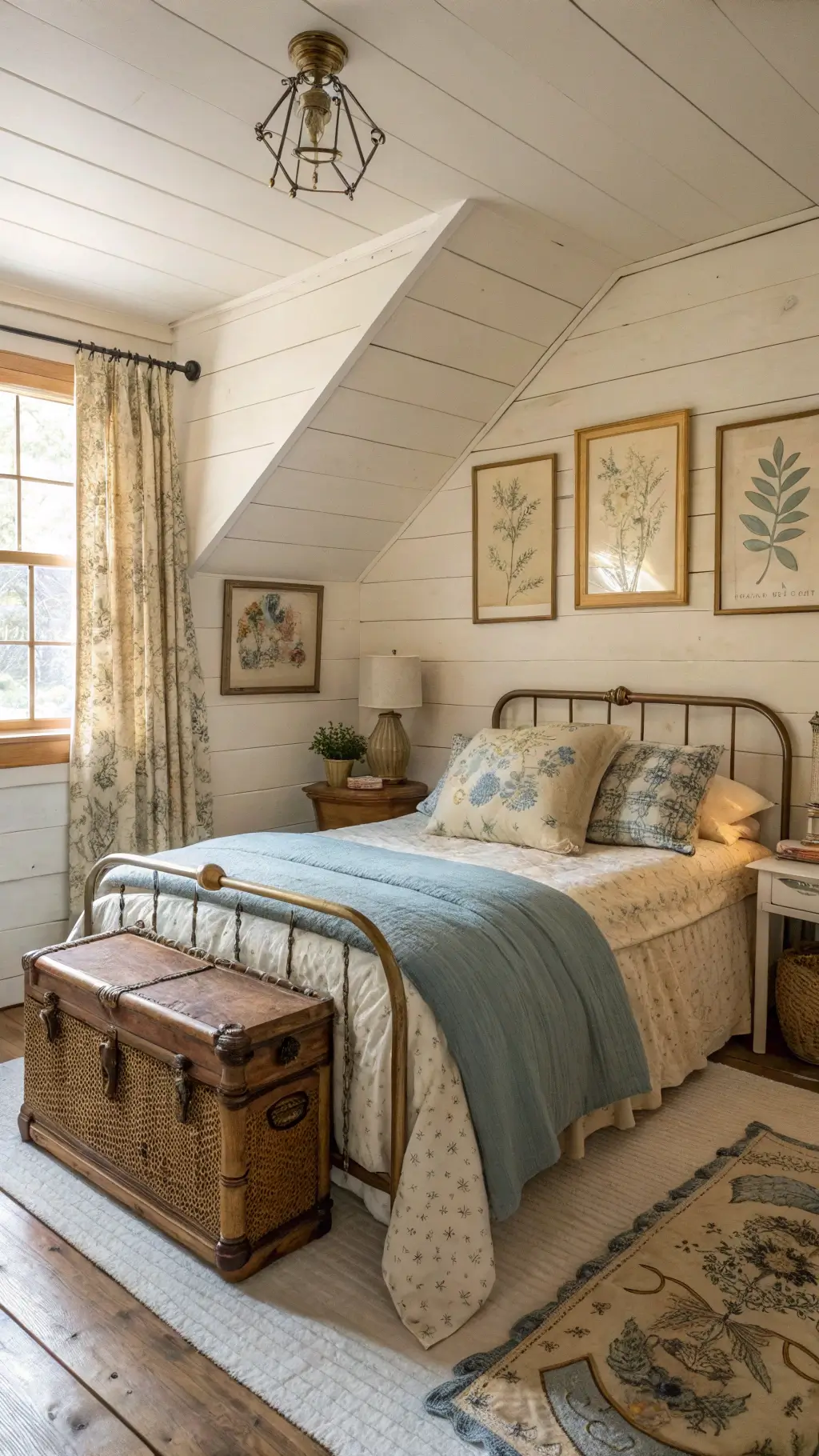
Use low-profile furniture—seriously, this one trick makes a huge difference.
Create Zones Without Walls:
Use area rugs to define a sleeping zone here, a work zone there, a lounging zone over there.
Mirror Placement:
Strategic mirrors reflect light and make the space feel twice as big.
Paint Strategy:
Stick with soft neutrals or really subtle colors. I painted mine a warm off-white, and it makes everything feel calm and spacious.
🏠 Steal This Look
- Paint Color: Valspar Swiss Coffee 7002-16
- Furniture: low-profile platform bed with clean lines, floor-level modular seating, low-slung desk or wall-mounted floating desk
- Lighting: flush-mount or semi-flush ceiling fixtures, slim-profile wall sconces, recessed can lights to preserve headroom
- Materials: light oak or bleached wood tones, natural linen textiles, woven jute or flatweave rugs, matte metal finishes
I learned this the hard way in my own attic loft—swapping a standard sofa for a 12-inch-high floor cushion completely transformed how the room breathed.
My Favorite Attic Loft Conversion Ideas
The Dreamy Bedroom Retreat
The Productivity-Boosting Office
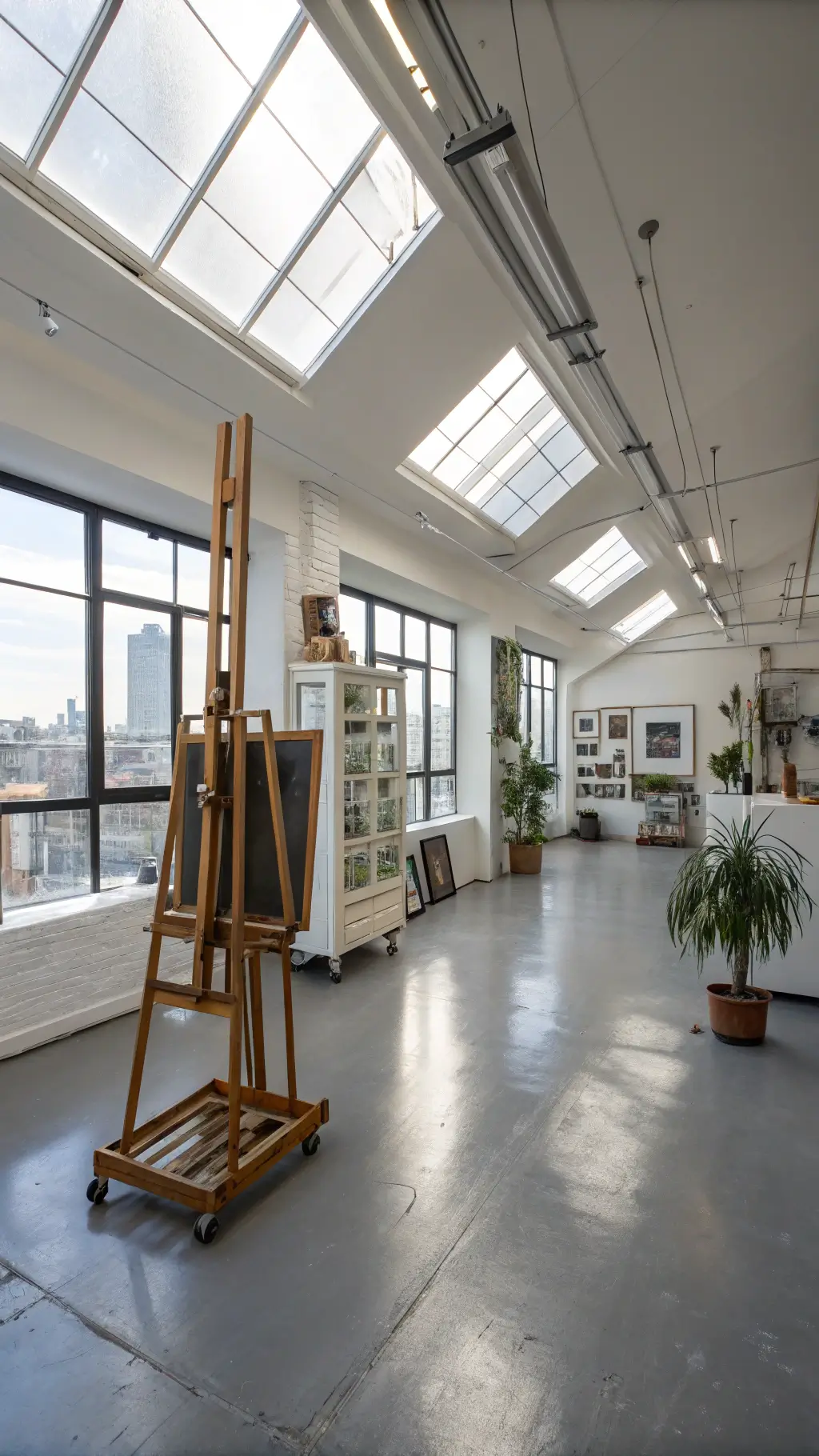
If you work from home, an attic loft office is a game-changer.
The Ultimate Entertainment Space

The Guest Suite That’ll Make People Never Leave
★ Steal This Look
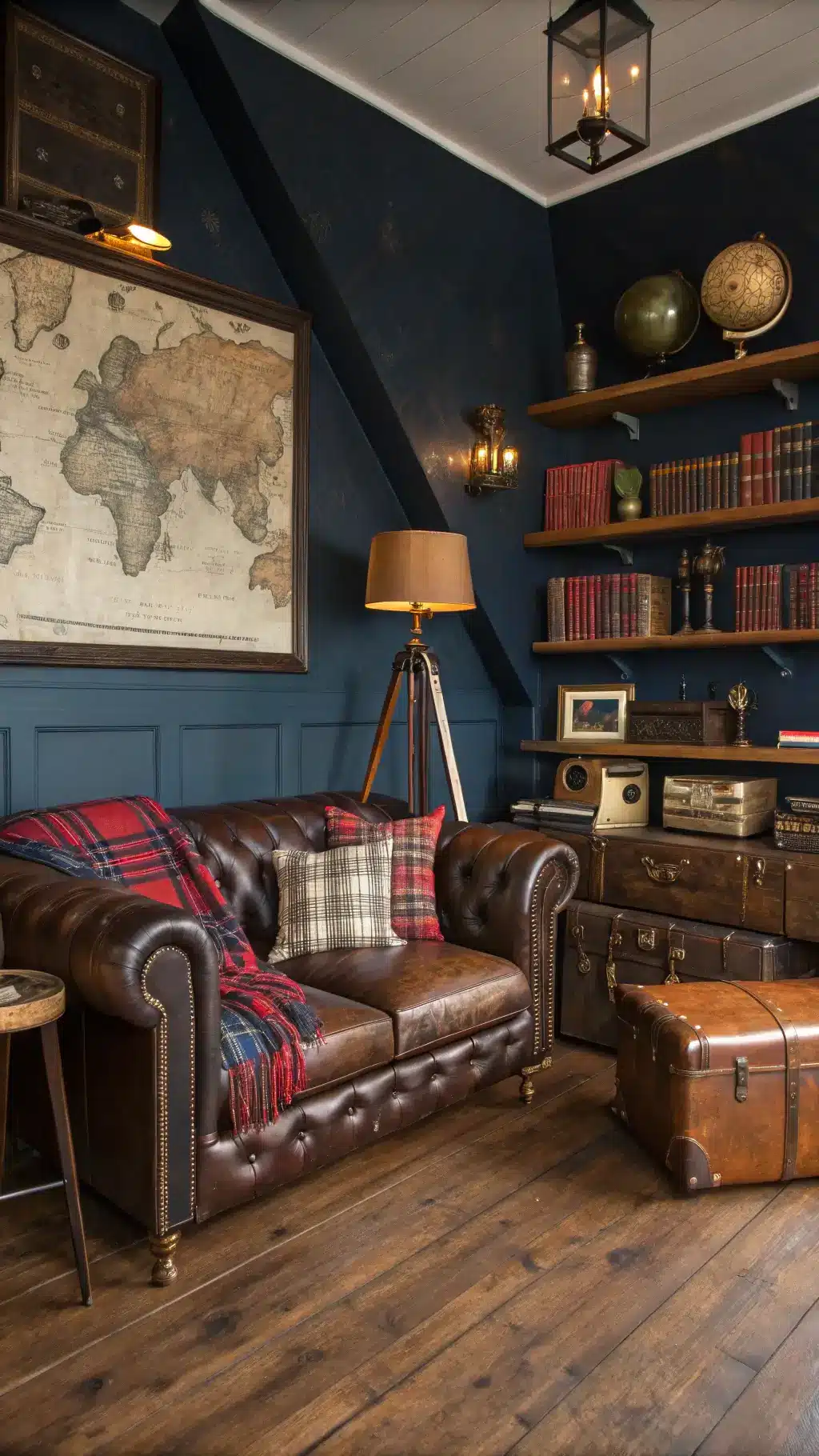
- Paint Color: PPG Silvery Moon 1011-3 for sloped ceilings to maximize light reflection; PPG Black Magic PPG1001-7 for dramatic accent beams
- Furniture: Low-profile platform bed with built-in storage drawers to navigate knee-wall constraints; wall-mounted floating desk with cable management for office nooks; modular sectional with low back height to preserve sightlines under dormers
- Lighting: Adjustable track lighting mounted to angled ceiling joists; slim-profile LED puck lights in eaves; articulated architect lamps for task zones
- Materials: Whitewashed pine shiplap for ceiling planes; wool-cotton blend low-pile rugs for sound absorption; matte black powder-coated steel for railings and brackets
There’s something almost rebellious about claiming that awkward triangular space under the eaves and turning it into the most coveted room in the house—I’ve seen grown adults fight over who gets the attic bedroom once it’s finished.
Before You Start: The Boring But Important Stuff
Check These Things First:
- Structural integrity
- Insulation status
- Ventilation and HVAC
- Electrical capacity
- Any water damage or roof leaks
Access Matters: